Vietnam News

HCMC launches 'Common House' initiative for global C4IR
The Center for the Fourth Industrial Revolution Ho Chi Minh City (HCMC C4IR) on November 27 announced an annual connectivity initiative titled "Elite of Saigon: Common House for the Global C4IR Network" within the framework of the Autumn Economic Forum 2025.
The initiative aims to strengthen bilateral and multilateral cooperation between Ho Chi Minh City and the global C4IR network, thereby promoting resource sharing, connecting experts, and deploying technological initiatives for urban development.
Strengthening cooperation with the global C4IR network focuses on three key pillars: promoting strategic partnerships with the World Economic Forum (WEF) and international partners; formulating breakthrough policies for sustainable technology and high-quality human resource development; and serving as a bridge to help businesses—especially SMEs and tech startups—access the global innovation ecosystem.
Vice Chairman of the City People's Committee, Nguyen Loc Ha, emphasized that the city is always a pioneer in attracting investment, developing science and technology, and expanding international cooperation.
He stated that with a vision to build a smart, modern, and sustainable city, the city aspires to apply advanced technological initiatives into the practicalities of socio-economic development.
In the context where green and digital transformations are reshaping the economic structure, HCMC C4IR plays a crucial bridging role. It provides scientific grounds and policy recommendations to help the city establish pilot models and perfect its innovation governance framework.
The initiative is expected to become an annual activity connecting C4IR centers worldwide, fostering long-term public-private partnerships, and generating practical projects for the city.
A highlight of the program is the "C4IR Global Spotlight," where international C4IR centers share perspectives, lessons learned, and strategic directions from implementation models around the world.
Vneconomy-Hoàng Tùng
Domestic–global gold price gap narrows sharply
The disparity between domestic and global gold prices narrowed significantly on November 28, falling 10.85% for gold bars and up to 37.5% for gold rings compared to the peak recorded earlier this month.
The selling price of SJC-branded gold bars rose to VND154.2 million ($5,863) per tael, an increase of VND800,000 ($30.4) from the previous day.
One tael equals 37.5 grams, or 1.2 ounces.
Gold ring prices also increased, reaching VND152.2 million ($5,787) per tael, up VND700,000 from the previous day.
On the international market, gold prices climbed nearly 0.6% to $4,183.5 per ounce. At this level, domestic gold prices remain about VND19.62 million ($746) per tael higher than global prices — a notable decline from the VND22.01 million gap recorded on November 4.
VnEconomy-Lan Nhi
PM Chinh hosts leaders of Russian, Japanese corporations
Prime Minister Pham Minh Chinh held meetings with the General Director of Zarubezhneft (Russian Federation) and the CEO of Mitsui Co. (Japan) on November 27.
At the reception for Zarubezhneft General Director Sergei Kudryashov, PM Chinh affirmed that Vietnam always considers oil and gas cooperation with the Russian Federation a key pillar of the Vietnam-Russia Comprehensive Strategic Partnership. He noted that the traditional and trustworthy cooperation between the Vietnam National Industry - Energy Group (Petrovietnam) and Zarubezhneft plays an important role in this relationship.
The PM suggested that Petrovietnam and Zarubezhneft continue discussions to find measures to further enhance the operations of their joint ventures. He urged them to timely resolve any obstacles arising during cooperation in a constructive and friendly spirit, ensuring the benefits of both sides.
Mr. Sergei Kudryashov stated that alongside oil and gas cooperation with Vietnam, specifically with Petrovietnam, Zarubezhneft wishes to expand collaboration into other sectors such as energy and minerals. Notably, the company expressed a strong desire to build an energy center in Vietnam.
The Government leader requested Zarubezhneft to continue paying attention to and creating favorable conditions for the operations of Rusvietpetro in Russia. He suggested expanding its operating area to include new oil and gas fields and potential blocks near the Nenetsky area to maximize existing infrastructure, technology, and personnel, while improving logistics, tax, and fee conditions where necessary.
Additionally, he called for promoting cooperation in liquefied natural gas (LNG), LNG supply chains, and LNG terminals; transferring technology for exploiting depleted fields, deep drilling, and complex drilling operations; and considering cooperation in renewable energy, hydrogen, and new materials. In particular, he suggested that both sides study cooperative investment and the deployment of oil and gas services in third countries.
During the reception for Mr. Hori Kenichi, President and CEO of Mitsui Co., PM Chinh emphasized that there is still vast potential for economic cooperation between Vietnam and Japan.
With a vision for century-long cooperation, he requested that Mitsui Co. and Mr. Hori Kenichi continue to pay attention to promoting collaboration between the Group and Vietnamese enterprises. He urged for the acceleration of the Block B gas project to bring it into operation soon, as well as the expansion of markets and operations to improve efficiency in the energy sector (including wind power, solar power, oil and gas exploitation, and methane hydrate) and power source development.
Additionally, the Vietnamese Government leader encouraged the Group to boost cooperation in fisheries and trade; establish a research and development (RD) center for fisheries and energy; and facilitate technology transfer and human resource training.
PM Chinh welcomed Mitsui's plan to continue promoting the export of value-added goods from Vietnam to the international market. He noted that this orientation aligns with Vietnam's goals of improving growth quality and increasing the processing and technological content within its export structure.
At the meeting, Mr. Hori Kenichi assessed that Vietnam is developing rapidly and strongly with a long-term vision. He stated that Mitsui is committed to long-term cooperation and investment, and wishes to continue contributing to the national development vision, particularly in Vietnam's energy sector.
He presented the Group’s business expansion and investment plans in energy and projects related to carbon emission reduction.
He also outlined plans to export value-added Vietnamese products—specifically in agriculture and fisheries, such as shrimp, wood pellets, and food—promote the circular economy, and foster technology consulting transfer, training, and the development of a scientific and technological workforce.
Vneconomy-Viêt An
Stricter regulations proposed for corporate bond trading
The Ministry of Finance has published a draft decree tightening regulations on the private placement and trading of corporate bonds, as well as the issuance of bonds on international markets, in an effort to improve transparency and strengthen protection for investors.
This draft decree is set to replace the Government's Decree No. 153/2020/ND-CP and its amendments.
The new draft decree introduces clear and specific regulations regarding the issuance and trading of privately placed corporate bonds.
It specifies entities eligible to participate in purchasing, trading, and transferring privately placed corporate bonds. For non-convertible bonds and bonds without warrants, only professional securities investors are allowed to participate. For convertible bonds or bonds with warrants issued privately, strategic investors can also participate alongside professional securities investors.
Professional securities investors can be organizations as defined by the amended Securities Law of 2024 or individuals meeting specific criteria, such as holding a listed or registered securities portfolio with a minimum market value of VND2 billion ($76,000) calculated based on the average market value over 180 consecutive days before determining investor status. This status is valid for three months from the date of confirmation.
Strategic investors are individuals or organizations selected by the issuing company based on criteria such as financial capacity, technological expertise, and a minimum three-year cooperation commitment. The total number of strategic investors in a single offering must not exceed 100.
Before purchasing bonds in both primary offerings and secondary market transactions, individual professional securities investors must sign a document confirming that they have thoroughly reviewed the offering information, understand the bond terms, and acknowledge the risks, taking full responsibility for their investment decisions.
Investors participating in the bond market will enjoy clear benefits: receiving full disclosure from the issuing company, being provided with offering documents, receiving principal and interest payments on time according to bond terms upon maturity, and enjoying any attached rights (if applicable) as per regulations.
VnEconomy-
Nearly 440 projects removed from the list of slow-to-implement projects in Hanoi
As of November 5, 2025, some 712 projects in Hanoi, with a total area of over 11,433 ha, have been reviewed, with inspection, post-inspection conclusions, and handling measures in place.
As a result, 439 out of these 712 projects have been removed from the list of delayed projects, covering a total area of more than 2,941 ha.
Among these 439 projects, 53 projects were presented by the Department of Agriculture and Environment to the People's Committee of the city to recover land areas that had been allocated to them.
Additionally, 65 projects were presented by the Department of Finance to the People's Committee of the city to terminate project implementation.
Furthermore, 321 projects have been removed from the list of delayed projects,
In addition to the 439 projects mentioned above, 70 out of 712 projects have been granted a 24-month land use extension by the People's Committee of the city, covering a total area of 2,051 hectares.
VnEconomy-Thanh Xuân
Vietnam’s “Go Global” journey to be accelerated
After nearly 40 years of carrying out the “Doi Moi” (Economic Renewal) process, Vietnam now ranks among the world’s ten most open economies, is one of the Top 20 exporters, and has emerged as a key industrial and manufacturing hub in Asia. In its journey of global integration, expanding the presence of Vietnamese private enterprises abroad and strengthening their participation in global value chains is no longer a choice but a strategic imperative, one that requires a fundamental shift in how it approaches international economic engagement.
Uneven gains
Despite many gains from global integration, Vietnam’s “Go Global” journey still faces significant challenges, according to the Ministry of Industry and Trade (MoIT). Export growth continues to be led largely by foreign-invested enterprises (FIEs), while the contribution of domestic companies remains modest. Though Vietnamese investment abroad began in the early 2000s, it is still limited in both scope and scale. Notably, Vietnam has yet to develop major corporations or business groups with global operations and internationally-recognized brands.
The textile and garment sector illustrates this imbalance. At the Trade Promotion Conference with Vietnam’s overseas trade offices in October, organized by the MoIT, Mr. Truong Van Cam, Vice Chairman and General Secretary of the Vietnam Textile and Apparel Association (VITAS), said the industry has grown impressively, from $1.96 billion in exports in 2001 to $46-46.5 billion today, for a 23.5-fold increase. Yet FIEs still account for about 60 per cent of total exports and 56.8 per cent of employment.
He added that in the footwear industry, FIEs contribute around 80 per cent with local companies making up only 20 per cent. In electronics, more than 90 per cent is dominated by FIEs, while domestic enterprises account for less than 10 per cent.
In the manufacturing industry, Mr. Pham Hai Phong, Vice Chairman of the Vietnam Association for Supporting Industries (VASI), observed that final production and assembly still depend heavily on FIEs, with only a few local assemblers starting to enter supply chains. While Vietnamese support industry enterprises have joined most parts of the manufacturing value chain, their participation is concentrated in mid-stage component production. In essence, domestic enterprises can produce essential parts but have yet to master the more complex, high-value stages.
Moving up the global value chain
To truly compete on the global stage, Mr. Phong stressed that Vietnam’s support industries must move up the value chain into product assembly and final manufacturing by participating in OEM (original equipment manufacturing), ODM (original design manufacturing), and OBM (original brand manufacturing) models. This, he said, would mark a turning point for Vietnam to move beyond its traditional outsourcing role.
“We need to take ownership of research and development (RD) and the production of basic materials domestically, to raise localization rates and reduce dependence on foreign suppliers,” Mr. Phong emphasized. He also called on the MoIT to develop a strategy to support leading companies capable of investing abroad. When a “locomotive” enterprise goes first, it can bring along an ecosystem of Vietnamese support industry companies to provide components and services directly in foreign markets, giving smaller players access to stable outlets, reducing risks, and exposing them to global standards in technology and management.
With experience in international expansion since its founding in 2009, Mr. Nguyen Minh Tu, Vice Chairman of the Stavian Group, proposed several fundamental solutions. These include focusing on large, globally-competitive sectors such as textiles, automobiles, industrial metals, and packaging; identifying experienced industry leaders to spearhead and rally other Vietnamese companies; establishing a national-level market research body and overseas trade offices (VietCham); creating professional overseas investment and export support funds; and promoting cross-border trade models.
Mr. Bok Dug Gyou, Head of the Korea Desk at the Vietnam Trade Promotion Agency (Vietrade) and Deputy Director of the Korea Trade-Investment Promotion Agency (KOTRA) in Hanoi shared lessons from South Korea’s globalization journey that likened the international market to “tuna in open waters” - joining it compels Vietnamese companies to learn, adapt, and apply global technologies and standards. He urged stronger participation in international trade fairs to accelerate this process.
He also emphasized the importance of financial policy support. With KOTRA’s annual budget of $500 million and its 129 global offices as an example, he suggested that Vietnam prioritize financial policies for globalization as a form of strategic investment. He also called for closer collaboration between businesses, government, and universities to develop a globally-skilled and competitive workforce.
Strategic imperative
Amid global economic volatility and intensifying competition, expanding into international markets has become a vital path for Vietnamese enterprises to survive and grow. To support this ambition, the MoIT is developing the “Go Global Program for 2026-2035” as part of the implementation of Politburo Resolution No. 68-NQ/TW on private sector development. The program is expected to be submitted to the Prime Minister for approval before year’s end.
“Go Global” is envisioned as a comprehensive global integration strategy, covering trade, investment, technology, culture, diplomacy, and education. Its goal is to help Vietnamese private enterprises expand overseas in a more substantive and integrated way, deepen their participation in global value chains, and strengthen the international presence of Vietnam’s brands, products, and services.
By 2030, the program aims for Vietnam to have around 20 major enterprises leading global value chains and 30 mid-sized firms operating in niche markets, while increasing the share of export value added from the private sector to 55-60 per cent.
Mr. Vu Ba Phu, Director General of Vietrade, emphasized that the “Go Global” strategy cannot be a mere administrative plan, it must represent a “revolution in mindset” for both the government and businesses. “Support should be seen as investment, and enterprises must be empowered to take the initiative in going global,” he said.
By addressing bottlenecks in capital flows, investing in RD, and learning from successful international models such as South Korea’s Export Voucher program, Vietnamese enterprises can build the strength needed to move from a “manufacturing base” to a “branding powerhouse” on the global economic map.
Vietnamese goods are already exported to more than 200 markets, which is a success in itself. Yet Mr. Tran Thanh Hai, Deputy Director General of the Import-Export Department at the MoIT, acknowledged that the actual presence of Vietnamese enterprises abroad remains limited, in stark contrast to the strong influx of FDI companies doing business in Vietnam.
“Now is the right time to talk about ‘Go Global’, as Vietnamese enterprises have built considerable capacity,” Mr. Hai said, adding that companies do not need to wait until they become large corporations to expand internationally. Today, this effort should be regarded as a shared mission between businesses, associations, and the government.
-
Saigon AI Hub launched in Ho Chi Minh City
Saigon AI Hub – Ho Chi Minh City’s first open artificial intelligence research space – has been officially launched, with a focus on tackling socio-economic development challenges through AI, particularly in key sectors such as healthcare, education, and transportation.
The hub is designed to promote collaboration, experimentation, and continuous learning among researchers, students, and technology professionals.
Significantly, Saigon AI Hub was established to provide financial support and resources for individual researchers and research groups working in AI-related fields.
The initiative, jointly developed by VNG Corporation and Vietnam National University, Ho Chi Minh City (VNU-HCM), aims to remove financial and infrastructural barriers, enabling Vietnamese scientists and technologists to pursue meaningful breakthroughs in AI.
Located at the VNG Campus, the hub is equipped with a dedicated AI computing infrastructure, including GPUs, datasets, cloud services, and standard laboratory equipment. Research teams can access these technologies while working closely with AI experts from VNG and VNU-HCM, helping shorten the gap between academic research and real-world application.
VnEconomy-Hà Giang
Hanoi reforms procedures for performing financial obligations for land transactions
The Hanoi Public Administration Service Center (HPASC) issued Decision No. 1610/QĐ-TTPVHCC on November 25, approving a plan to restructure and streamline the process of fulfilling financial obligations related to land transactions in the city.
According to the Decision, the restructuring plan will be applicable to all land administration procedures under the management functions of the municipal Department of Agriculture and Environment and all the commune-level People's Committees in the city, which require financial obligations for land transactions to be determined by the Tax Department.
Specifically, provincial-level procedures include twenty procedures such as registering changes for cases where household members or individuals using land establish private enterprises and use land for business activities; registering and issuing certificates for land plots with increased area due to boundary changes compared to previously issued certificates.
At the commune level, there are six procedures: registering land, assets attached to land, issuing land use rights certificates, ownership of assets attached to land for the first time for organizations, households, indivituals, communities and overseas Vietnamese using land.
VnEconomy -Đỗ Phong
Da Nang named among Top 1,000 startup ecystems
Central Da Nang city has been named among the world’s Top 1,000 startup ecosystems, a milestone that underscores the city’s accelerating innovation agenda, the Vietnam News Agency quoted StartupBlink’s 2024 global ranking as reporting.
The achievement was highlighted at a conference reviewing the 2022–2025 implementation of the national startup ecosystem support scheme (Project 844), held by the municipal Department of Science and Technology on November 26.
According to the department, Da Nang’s startup ecosystem has seen strong expansion during 2022–2025, supported by municipal leadership and cross-sector coordination. The city currently has three startup support centres, 12 incubators, eight co-working spaces, three makerspaces and dozens of university-based startup clubs. Around 200 innovative startups are active, while the city hosts about 50 innovation events annually, contributing to network building and community engagement.
The locality has also effectively implemented seven special policies on urban governance and special mechanisms for the city. These include tax incentives for innovative enterprises, controlled sandbox testing for emerging technologies, infrastructure support for AI and semiconductor firms, and high-quality human-resource development. These measures have helped attract deep-tech companies to test and develop products in Da Nang.
Direct support for startups has also delivered results as 32 enterprises received assistance worth over VND6.1 billion (more than $230,000). Through incubation and acceleration programs, 189 startup projects were developed, resulting in 83 new businesses.
Vietnam News Agency-Khánh Vân
Young Vietnamese enterprises aim to contribute 15% of GDP by 2030
Young enterprises in Vietnam aim to contribute 15% of national GDP and create 8 million jobs during the 2025–2030 period, according to the Vietnam Young Entrepreneurs' Association (VYEA).
At its 8th National Congress for the 2025–2030 term, held in Hanoi on November 27, the association also revealed plans to expand its membership to 35,000–50,000 enterprises.
The VYEA also targets supporting 50,000 business households in transitioning into enterprises, providing professional consulting services to 10,000 companies, ensuring 80% of member enterprises apply digital technologies, and engaging 1,000 firms in the AI for small and medium- sized enterprises (SMEs) program.
Addressing the congress, Prime Minister Pham Minh Chinh called on young businesses and entrepreneurs to take the lead in innovation, digital transformation, green transition, and in applying artificial intelligence, big data, and semiconductor technologies in production.
He urged young enterprises to actively participate in developing green and circular economic models aligned with Environmental, Social, and Governance (ESG) standards to meet increasingly stringent requirements from major markets.
The Prime Minister also emphasized the need for the young business community to pioneer stronger linkages among private enterprises, household businesses, state-owned firms, and FDI enterprises, leveraging the strengths of each to build value chains and innovation clusters, thereby enhancing the global presence of Vietnamese brands.
VnEconomy-Phương Nhi
Corporate bond repayment pressure to increase in year end
Corporate bond repayment pressure is set to increase significantly in the next two months.
The total value of corporate bond principal due for repayment by non-banking entities in the last two months of the year is estimated at VND25.2 trillion ($958 million). The real estate sector accounted for nearly 47% of these obligations.
Meanwhile, the value of interest payments by these entities for the last two months is expected to reach VND13.4 trillion ($509 million), with real estate alone contributing nearly 52%.
As of November 12, issuers have paid a total of VND196.3 trillion ($7.46 billion) in principal and interest on corporate bonds since the beginning of 2025, accounting for 78% of the total bond payments due for the entire year, according to data from FiinPro-X.
New corporate bond issuances continued to improve in October, reaching VND66.8 trillion ($2.53 billion), up 12.4% month-on-month. The non-banking sector, particularly real estate, led the market with VND37.5 trillion, the highest level in 10 months.
VnEconomy-Tuệ Lâm
Heavy fines imposed on firms linked to bond market irregularities
The Inspectorate of the State Securities Commission of Vietnam (SSC) on November 26 imposed administrative sanctions for violations in the securities market against Lucky House Investment Services JSC.
Accordingly, the firm was fined VND175 million (over $6,600) for disclosing false information. Specifically, the company’s report on the use of proceeds from private bond placements (for the periods ending December 31, 2022, and June 30, 2023)—which was audited by Nam Viet Financial Accounting Consulting and Auditing Company Ltd.—contained inaccurate information regarding the company's capital usage.
Previously, on November 25, the SSC Inspectorate also issued a sanctioning decision against No Va Thao Dien Company Limited.
The company was fined VND92.5 million ($3,500) for failing to disclose information required by law. The company did not meet the deadline for disclosing the audited report on the use of proceeds from bond issuances for the first half of 2024.
On the same day, the SSC Inspectorate also issued sanctions against No Va Land Investment Group Corporation (Novaland Group). Accordingly, the Group was fined a similar amount of VND92.5 million for failure to disclose information required by law.
Regarding Novaland, previously on October 17, the Government Inspectorate released its conclusion on the compliance with legal policies regarding private corporate bond issuance and the use of bond proceeds for the period from January 1, 2015, to June 30, 2023.
Notably, the conclusion signed on August 5 stated that the Government Inspectorate has transferred the case regarding Novaland Group’s violations in corporate bond issuance and fund usage to the Ministry of Public Security for further investigation.
Vneconomy-Thu Minh
GHG inventory: vital step for firms to measure and adjust to green standards
The Ninh Binh Department of Agriculture and Environment and the Vietnam National Universtiy of Agriculture's Academy for Green Growth on November 27 jointly organized a training course on greenhouse gas (GHG) inventory for businesses.
The participating enterprises are those subject to mandatory GHG inventory, demonstrating their attention to legal requirements and the trend of standardizing "carbon footprints" in supply chains.
According to the Department, following the provincial merger, Ninh Binh has 80 facilities required to conduct GHG inventories. To date, the Department has appraised reports from 35 facilities and is currently reviewing reports from 33 others, while 12 units have yet to submit. Provincial departments and agencies have also proposed adding approximately 50 major energy consumers to the mandatory list starting in 2026.
According to Deputy Director of the Department, Nguyen Tuan Hung, the new regulatory requirements for GHG inventory place significant pressure on production facilities due to a shortage of specialized personnel, complex calculation methods, and frequently revised standards.
Notably, the Government's Decree 119/2025/ND-CP requires enterprises to compile inventory reports every two years starting from the 2024 cycle and submit them to the Provincial People's Committee before March 31 annually. This demands that enterprises be more proactive in collecting and standardizing emission data.
Mr. Hung affirmed that GHG inventory acts as a crucial premise for enterprises to access emission reduction programs, participate in the carbon market, and minimize compliance risks at a time when green standards are increasingly becoming mandatory.
Sharing this view, Dr. Hoang Hiep, Director of the Academy for Green Growth under Vietnam National University of Agriculture, stated that GHG inventory is not merely a procedural step, but a foundation for businesses to identify emission sources, adjust production activities, and proactively adapt to global market requirements.
In particular, Dr. Hiep noted that as the EU implements the Carbon Border Adjustment Mechanism (CBAM) and the United States tightens green regulations on imports, a transparent "carbon footprint" is becoming a prerequisite for goods to maintain competitiveness.
Experts liken the GHG inventory to a "green passport" in international trade, enabling businesses to participate in global supply chains. Consequently, enterprises need to shift their mindset from a reactive approach to one that proactively embraces market standards.
Vneconomy-Nhĩ Anh
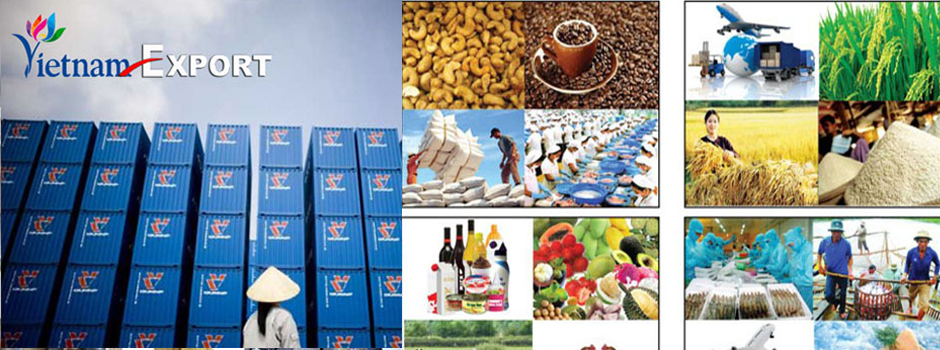
Vietnam export promotion forum opens, urging businesses to “Go Global”
The Vietnam Export Promotion Forum 2025 opened in Hanoi on November 26 under the theme “Go Global – Winning Global Markets.”
Co-organised by the Ministry of Industry and Trade and Swiss government-backed projects, the forum focused on solutions to help Vietnamese exporters enhance competitiveness and capture new market opportunities as global supply chains shift and trade competition intensifies.
Speaking at the event, Mr. Vu Ba Phu, Director of the Ministry of Industry and Trade’s Trade Promotion Agency, said the forum’s theme reflects Vietnam’s determination to support businesses in expanding globally with fresh thinking, innovative models, and approaches aligned with international trade trends, particularly digital transformation and sustainable development.
According to Mr. Phu, Vietnam’s high level of economic openness offers significant opportunities to increase market share, diversify export destinations, and deepen participation in global value chains. He highlighted major markets such as the United States, the EU, Japan, the Middle East, and Africa, with untapped potentials.
Experts at the forum urged Vietnamese manufacturers and exporters to prioritize three strategic pillars — process standardisation, traceability and transparency, and digital transformation — to expand global reach amid the growing prominence of green and digital trade.
VnEconomy-Song Hà
Vietnam is ready to become the region's 'green-digital laboratory'
In his closing remarks at the Autumn Economic Forum 2025 on November 26, Prime Minister Pham Minh Chinh emphasized the historical opportunity for a breakthrough and clearly stated that Vietnam is ready to become the region’s "green-digital laboratory."
Regarding the insights gained from the extensive discussions at the Forum, the PM identified five crucial points of consensus:
First, in a volatile world, delegates strongly agreed on the need to further strengthen solidarity, cooperation, and dialogue. Solidarity generates strength, cooperation yields resources, and dialogue reinforces trust. They agreed to uphold multilateralism and international law, and to consolidate and promote the highest spirit of international solidarity to deeply address the common challenges of the era.
Second, the Forum unanimously agreed that green transformation and digital transformation are two fundamental elements constituting an inevitable and irreversible trend. "Dual transformation" (green and digital) has become an objective requirement, a strategic choice, and a top priority for every nation seeking rapid and sustainable development.
Third, delegates shared the view on "three key levers" to promote digital transformation, green transition, and sustainable development in the coming time: Institutions, Resources, and Innovation.
Fourth, delegates agreed on an approach that places people at the center. People are the subject, the goal, the driving force, and the resource for development; development must bring a prosperous and happy life to the people.
Fifth, delegates expressed high appreciation, support, and readiness to accompany and cooperate with Vietnam on its new development journey.
PM Chinh summarized the results of the forum with the following message: "Converging wisdom, consolidating trust, strengthening solidarity, harmonizing green and digital growth, looking toward the future, and sharing benefits."
He expressed his hope that partners, international organizations, and the World Economic Forum (WEF) would continue to accompany and support Vietnam in a spirit of cooperation that is "substantive, sincere, trustworthy, and effective." This aims to foster more effective exchange forums on shared development issues.
He called for support to transform Vietnam into a "green-digital laboratory" for the region, affirming that Vietnam is fully ready to assume this role. He also requested the continued sharing of knowledge and advanced governance experience, along with specific support regarding preferential finance, high-tech transfer, and technical assistance for Vietnam.
PM Chinh emphasized that the greatest success of the 2025 Autumn Economic Forum was establishing it as the starting point for a long-term, sustainable, and strategic journey of cooperation, bringing benefits to all countries, international partners, and interested stakeholders.
He urged continued close coordination to build the Autumn Economic Forum into a prestigious annual strategic dialogue platform of regional and international stature, focused on innovation and sustainable development.
VNeconomy-Thanh Thủy
PM Pham Minh Chinh engages in dialogue with WEF Managing Director
Within the framework of the Autumn Economic Forum 2025 in Ho Chi Minh City, a high-level policy dialogue took place between Prime Minister Pham Minh Chinh and Managing Director of the World Economic Forum (WEF), Mr. Stephan Mergenthaler, on November 26, under the theme “Science and technology shaping Vietnam in the era of ascent.”
During the dialogue, which lasted over 60 minutes, PM Chinh addressed numerous questions concerning issues of strategic significance posed by the coordinator.
The dialogue session aimed to achieve three main objectives: to discuss Vietnam's strategic development direction in the era of national ascent, with a focus on green transformation and digital transformation; to affirm Vietnam's commitment and role within the international community in promoting green growth, sustainable development, and the Net Zero 2050 goal; and to promote global cooperation in technology, finance, innovation, and human resources, thereby contributing to shaping Vietnam's position in the new economic order.
When asked about the key decisions that will help Vietnam advance toward the goal of becoming a high-income nation by 2045, the Prime Minister emphasized two main points:
First, Vietnam remains steadfast in its policy of "shelving the past, looking toward the future," respecting differences, and proactively expanding foreign relations. Many countries that were once former adversaries have now become friends, partners, and even Comprehensive Strategic Partners. This stands as one of the most important decisions, serving as a foundation for the country's development.
Second, science and technology constitute the path for Vietnam to reach high-income status by 2045. Looking back at its development history, Vietnam rose from an agricultural economy and a poor nation rooted in a wet-rice civilization. The specific effort to transition from agriculture to industry—in which the development of science and technology serves as the key factor—will enable the country to catch up with new global trends and achieve its 2045 income goals.
Vietnam's resilience in a volatile world
In the second question, the coordinator asked the Prime Minister—fresh from his return from the G20 Summit in South Africa—to analyze in greater depth the factors that have enhanced Vietnam's resilience in a highly volatile world.
"We must accept these risks to identify opportunities and advantages," PM Chinh said. "There are grounds for optimism: First, through difficulties and pressure, humanity is compelled to strive harder and aim higher. Second, despite polarization and fragmentation, peace, cooperation, and development remain the dominant trends. Third, science and technology, innovation, and digital and green transitions serve as new growth drivers—a connecting thread contributing to resolving the difficulties and challenges the world is facing. Regarding economic linkages, nations are also making efforts to address supply shortages and disruptions."
The Prime Minister highlighted that in a challenging context where global economic growth has slowed, Vietnam’s growth has accelerated; while global public debt has risen, Vietnam’s public debt ratio has decreased; and both the scale of the economy and GDP per capita have increased. National defense and security have been safeguarded, sociopolitical stability maintained, and the country's international standing elevated.
PM Chinh stated that these achievements are due to the leadership of the Communist Party, whose ultimate goal is the independence, freedom, prosperity, and happiness of the people; the spirit of great national unity; and the strength derived from the people and businesses—emphasizing that the people create history.
He also cited the combination of national strength with the strength of the era; steadfast adherence to the path of socialism; and the maintenance of independence and self-reliance. This involves building an independent and self-reliant economy closely associated with proactive, active, deep, substantial, and effective international integration.
Solutions for green and digital transformation
In the third question, Mr. Mergenthaler asked the Prime Minister to share his insights on the role of "dual transformation" (digital and green transformation) for Vietnam.
PM Chinh emphasized that this is an objective requirement, a strategic choice, and a top priority for Vietnam in its pursuit of rapid and sustainable development. He noted that digitalization and "greening" are two parallel facets of a single process that are closely interconnected and mutually reinforcing.
To achieve this dual transformation, he said, it is first necessary to raise awareness regarding the position, role, and importance of dual transformation. This awareness must then be translated into action through specific, feasible, and effective solutions, which he categorized into five groups: institutional perfection; infrastructure development; database construction; human resource training; and smart governance.
Simultaneously, mechanisms and policies must be established to mobilize resources. Public-private partnerships (PPP) must be promoted to effectively utilize State resources. State capital should play a leading role, serving to activate and mobilize all social resources, including non-state resources and those from businesses and the public.
Furthermore, external resources must be mobilized. The Prime Minister affirmed that internal resources are fundamental, strategic, long-term, and decisive, while external resources are important and groundbreaking. Regarding external resources, the Prime Minister specified cooperation in capital attraction, technology transfer, human resource training, and governance.
Prime Minister Chinh stated that Vietnam is vigorously implementing three strategic breakthroughs regarding institutions, infrastructure, and human resources.
Accordingly, institutional breakthroughs help facilitate conditions for citizens and businesses while reducing compliance costs; modern infrastructure serves to lower input costs for enterprises and enable participation in global value chains; and high-quality human resource training meets the demands of the transformation.
Vneconomy-Như Quỳnh
Young people's role in smart and sustainable future identified
Youth Inspiration Talks, with the theme “Intelligent Generation NOW,” was held on November 25 as part of the Autumn Economic Forum 2025 hosted by Ho Chi Minh City, emphasizing the role of Vietnam’s young people in shaping a smart and sustainable future.
The event brought together 500 representatives from universities, startups, youth-led enterprises, and research institutions to engage in dialogue with international organizations such as the World Economic Forum (WEF), UNESCO, and the UN, aiming to bridge gaps and find solutions for Vietnam.
This year, the program provided space for dialogue, idea exchanges, and collective action under the question: “What will this generation do to shape the future?”
Leaders’ expectations for the next generation
Speaking on behalf of the government, Deputy Prime Minister Bui Thanh Son highlighted that Vietnam is standing at the threshold of a breakthrough in the era of AI, green transformation, and digitalization. The country’s greatest advantage lies in its population of over 100 million people, particularly intelligent, creative, and ambitious youngsters.
To achieve the goals of making Vietnam an upper-middle-income country by 2030 and a high-income country by 2045, the government is implementing historic policies, including strategies for science and technology, innovation, and digital transformation. “Among all these priority development policies, young people - the future owners of the country - are always placed at the center, carrying our immense trust and high expectations,” the Deputy Prime Minister said.
He reaffirmed Vietnam’s longstanding commitment to nurturing young talent. He called on young Vietnamese to embrace entrepreneurship not only for personal growth but also for national development, with confidence that the next generation will help deliver a “green, peaceful, and prosperous Vietnam” in the digital age.
Chairman of the Ho Chi Minh City People's Committee Nguyen Van Duoc described today’s youth as the Intelligent Generation NOW, growing up in a digital environment, equipped with open-minded thinking, advanced technological skills, and a bold, action-oriented spirit. The city places high expectations on this generation to serve as core partners in building a modern, civilized, and globally-integrated urban center, he said.
“I firmly believe that the Intelligent Generation NOW will continue the traditions of previous generations and draw global attention to Vietnam’s intelligence, resilience, and creativity,” Mr. Duoc noted, adding that “The city is committed to creating the most favorable conditions to fully unlock and nurture the potential of our young people.”
From an international standpoint, Mr. Stephan Mergenthaler, Managing Director of the WEF, shared insights into global trends in the digital era and advised young Vietnamese to prepare for the future of work. The WEF’s Future of Jobs report indicated that while human-driven tasks currently account for 47 per cent of corporate duties, by 2030, 39 per cent of core skills will change, requiring capabilities that many workers have not yet encountered. Mr. Mergenthaler emphasized that technology will not replace humans but will define skills that are uniquely human, such as creativity, resilience, curiosity, and lifelong learning. Collaboration between humans and machines is therefore critical, and 62 per cent of companies are seeking employees who can work effectively with AI.
From UNESCO’s perspective, Mr. Jonathan Wallace Baker, Chief Representative in Vietnam, stressed that young people are not merely adapting to technological shifts - they are becoming key shapers of the future economy and emerging technologies.
Young voices take center stage
During the “Voice of the NOW” session, six young Vietnamese representatives engaged directly with WEF and UNESCO leaders. Ms. Le Nguyen Bao Ngoc, Founder of Gen Zero, raised concerns about digital inclusion for vulnerable groups and questioned how multi-stakeholder partnerships across the UN system, government, private sector, and youth networks can ensure equitable access to AI opportunities.
Ms. Le Nguyen Bao Ngoc, Founder of Gen Zero.Mr. Mergenthaler stressed that digital inclusion must be a central pillar of Vietnam’s digital transformation, encompassing both technical infrastructure and “soft infrastructure” such as digital skills and literacy. Women, people with disabilities, and other marginalized groups must be embedded into national digital public infrastructure strategies from the outset.
On collaboration models, he recommended that institutions “meet young people where they are,” leveraging youth-led digital platforms and creative channels. Networks such as Global Shapers were highlighted as key bridges connecting communities, policymakers and international organizations.
UN representatives reinforced that inclusivity remains a core mandate of UN, UNESCO, and WEF initiatives, and that youth networks play an essential role in bringing emerging voices to global dialogues.
Responding to questions about over-reliance on AI and technology-driven FOMO (fear of missing out) at businesses, Mr. Mergenthaler reiterated that “AI is a tool to enhance thinking, not replace it.” The real value is in identifying the right problems and combining human judgment with machine intelligence, an area where young people have a natural advantage due to their adaptability and openness.
Connecting universities, industry and government for the next generation
The gathering also witnessed the signing of an MoU between RMIT University Vietnam and the Ho Chi Minh City Center for the Fourth Industrial Revolution (C4IR HCMC), opening long-term collaboration in smart city development and RD.
Speaking with VnEconomy / Vietnam Economic Times, Professor Scott Thompson-Whiteside, Pro Vice-Chancellor and General Director of RMIT University Vietnam, affirmed that the event served as a vital platform to engage with and foster dialogue between Ho Chi Minh City and global partners, experts, and key stakeholders.
RMIT University Vietnam and the Ho Chi Minh City Center for the Fourth Industrial Revolution (C4IR HCMC) signed MoU.He emphasized that the MoU lays the foundation for a strategic partnership combining the strengths of a global university with those of a leading policy and innovation institution. “Our shared goal is to support Ho Chi Minh City’s ambition to become a regional hub of smart, inclusive, and sustainable growth,” he noted.
The partnership will leverage RMIT’s academic expertise, research capability, post-graduate talent, and global network to deliver practical solutions aligned with the city’s development priorities. By linking policy formulation, technology application, and education, the collaboration aims to strengthen high-quality human resources for Vietnam’s future.
RMIT is also partnering with C4IR HCMC in the “Youth Inspiration Talks”, an initiative designed to inspire young Vietnamese to play an active role in building a smart and green future.
On the practical contributions of the partnership, Professor Thompson-Whiteside highlighted that the MoU establishes a framework for cooperation across areas essential to Ho Chi Minh City’s innovation roadmap: smart urban development, talent development, applied sustainability research, and emerging technologies.
“In coordination with C4IR HCMC, we plan to develop initiatives that enhance the city’s innovation environment, from collaborative research programs and policy pilots to training activities that equip young professionals with future-ready skills,” he said.
The two sides will also explore co-organizing international conferences and expert dialogues, bringing global perspectives and actionable insights to Vietnam. These activities support the city’s digital transformation by facilitating knowledge exchange, encouraging technology adoption and fostering stronger cooperation between government, academia, and industry.
Discussing how the partnership will help strengthen links across the innovation ecosystem, Professor Thompson-Whiteside emphasized that RMIT’s mission has always been to connect education with industry and societal needs.
Under the MoU, RMIT aims to deepen collaboration between universities, businesses, startups, government agencies and innovation centers through joint applied research projects, industry-engaged learning programs, sponsored PhD opportunities, and the development of environments that support experimentation, innovation, and technology commercialization.
“These initiatives help bridge academic knowledge with real-world applications, accelerate the adoption of Industry 4.0 technologies, and contribute directly to Ho Chi Minh City’s long-term development goals,” he affirmed.
vneconomy-Nhu Quynh
Siemens Caring Hands donates to Vietnam flood and landslide relief
Charitable association Siemens Caring Hands has made a donation of €30,000 to the Vietnam Red Cross Society to support urgent disaster relief efforts following widespread flooding and landslides that have severely impacted various regions of Vietnam.
The humanitarian aid aims to assist communities affected by prolonged heavy rainfall and two consecutive storms - Typhoon Bualoi and Typhoon Matmo - that struck Vietnam in late September and early October, causing severe damage to infrastructure and loss of human life.
“Witnessing the immense challenges faced by the people of Vietnam due to these natural disasters deeply moves us all at Siemens,” said Dr. Pham Thai Lai, Siemens CEO of ASEAN and Vietnam. “This donation is a testament to our enduring commitment to the well-being of the Vietnamese people.”
A formal handover ceremony took place on November 26 at the Vietnam Red Cross Society headquarters in Hanoi, marking the official transfer of funds. This vital contribution will empower the Vietnam Red Cross Society to provide essential assistance, helping affected families and communities rebuild their lives and access crucial resources.
Key areas identified for immediate assistance include water, sanitation, and hygiene (WASH) initiatives, which are vital for preventing the spread of disease and ensuring basic health and dignity for affected populations.
The total donation comprises significant contributions from both Siemens AG and Siemens Healthineers. This collective effort underscores Siemens' unwavering commitment to global corporate social responsibility and its dedication to assisting communities in times of crisis.
This latest support builds upon Siemens Caring Hands’ continuous and longstanding commitment to Vietnam. Most recently, in 2021, it provided critical medical equipment, including a MOBILETT Elara Max mobile X-ray system to a Covid-19 hospital managed by the Hanoi Medical University Hospital and an anesthesia system to Hue Central Hospital. These donations significantly aided the fight against the Covid-19 pandemic and improved healthcare access across the country.
Siemens Caring Hands was founded at the initiative of Siemens AG in 2001. The association is especially active in providing support in major emergencies and pursues charitable and non-profit purposes. These include assistance for disaster victims, supporting fire / disaster / civil protection, and promoting the development of the public health system.
The charity was established because Siemens AG management and employees wanted to provide direct, uncomplicated assistance to victims of the September 11 attacks. Since then, Siemens Caring Hands has continued to provide aid during numerous disasters.
-
Vietnam's fresh jackfruit allowed to be officially exported to China
Vietnam's Minister of Agriculture and Environment Tran Duc Thang and Deputy Director General of the General Administration of Customs of China (GACC) Zhao Tang Lien signed a Protocol in Beijing on November 27, allowing the export of Vietnamese fresh jackfruit to China.
During their meeting, Minister Thang affirmed that the leaders of the Party and State of Vietnam always value strengthening cooperation with China in many fields, especially agriculture and the environment. The Minister highlighted the important role of the Chinese market for Vietnam's foreign trade, with two-way trade turnover steadly growing (the trade value in the first 10 months of 2025 was higher than the total value for the entire year of 2024).
Minister Thang believes that the bilateral cooperation in the fields of agriculture, forestry, and fisheries needs to be more focused and strongly promoted in the future.
Mr. Zhao, for his part, emphasized the "long-term, friendly, and good" cooperative relationship between Vietnam and China. Appreciating the results achieved in agricultural trade in 2025, he shared that by the end of October 2025, China had imported $8.7 billion worth of agricultural products from Vietnam, demonstrating close coordination between agencies of the two countries.
This year, four protocols between the two countries have been signed regarding the export of chili, passion fruit, rice bran, and raw bird's nests.
vneconomy-Chu Khôi
Vietnam to chair Mekong River Commission Council in 2026
The 33rd Session of the Council of the Mekong River Commission (MRC) is scheduled to be held in Vietnam at the end of 2026, with Vietnam acting as its chair.
At the 32nd Session of the MRC Council held on November 26, in Chiang Mai, Thailand, the Council approved the Commission's Strategic Plan for the 2026–2030 period and reached a consensus on strategic priorities to be included in the Joint Declaration of the 5th MRC Summit.
Specifically, the Commission's strategic activities over the next five years will focus on the following priorities: enhancing activities that deliver direct benefits to riparian communities, adopting a human-centric approach; and accelerating the implementation of transboundary projects that generate shared benefits for the nations within the basin.
Addressing the 32nd session, Vietnam's Deputy Minister of Agriculture and Environment Vo Van Hung emphasized that the strengthening of forecasting, early warning systems, and hydrological and environmental monitoring has significantly supported disaster risk reduction efforts in member countries.
To implement cooperation activities in the coming time, the Deputy Minister proposed several strategic directions, including: Strengthening the monitoring and supervision of water quantity and quality across the entire basin, with priority given to deploying near-real-time data systems and establishing mechanisms for early warning and timely response to anomalies; and enhancing disaster forecasting and warning capabilities by applying advanced technologies and synchronizing hydrological data sharing to mitigate the impacts of floods, droughts, and climate change for each country and the entire basin.
Vietnam also proposed promoting joint transboundary projects, prioritizing programs focused on green growth, the circular economy, water conservation, and emission reduction, thereby contributing to the national goals of each country and the commitments made at the COP30 Conference.
Vneconomy-Nhĩ Anh