Vietnam News


HCMC Public Administrative Service Center makes its official debut
The Ho Chi Minh City Public Administrative Service Center has been officially inaugurated at 43 Nguyen Van Ba street, Thu Duc Ward.
This is the city’s first centralized public administrative hub, consolidating the "one-stop" departments of various sectors and agencies into a single point of contact to better serve citizens and businesses.
According to Vice Chairman of the City People's Committee, Mr. Nguyen Manh Cuong, administrative reform has consistently been a core and continuous priority for the city. The goal is to improve service quality for the public and enterprises while enhancing the efficiency of state management.
To ensure the Center operates effectively, sustainably, and truly embodies the "one-stop destination" spirit where all city-level administrative procedures are centralized, Mr. Cuong requested that relevant agencies focus on several key tasks.
Specifically, the Office of the City People’s Committee will coordinate with the Department of Home Affairs and other departments to closely monitor the Center’s operations. They are tasked with providing timely support to resolve any arising difficulties, ensuring that the receipt and return of administrative results remain seamless and efficient.
The Department of Science and Technology, in collaboration with the City Digital Transformation Center and the Office of the People’s Committee, has been directed to urgently upgrade the IT infrastructure. This will ensure synchronized and smooth connectivity from the city level down to the ward and commune levels, in accordance with the approved scheme.
The Public Administrative Service Center will serve as the primary advisory body for city leadership on administrative reforms. It is expected to proactively research and propose solutions to improve processes through the application of information technology and digital data.
The city has set an ambitious goal to have 100% of administrative procedures processed regardless of administrative boundaries, and 100% of services for citizens and businesses available online.
Vneconomy-Song Hoàng
Remittances to HCM City hit new record high in 2025
With remittance inflows estimated at $10.5 billion in 2025, Ho Chi Minh City continues to be the leading locality nationwide in attracting remittances, accounting for about 60 per cent of the country's total remittance inflows recorded in the year.
Data from the State Bank of Vietnam's Branch in Region 2 (including Ho Chi Minh City and the southern province of Dong Nai) showed that total remittances to the city reached $7.969 billion during the January-September period of 2025, a year-on-year increase of 7.8 per cent and equivalent to 83.4 per cent of the total remittances the city recorded in 2024.
The region-based structure of the remittance inflows remained unchanged, with the majority coming from Asia and the Americas, accounting for over 80 per cent of the city's total inflows.
The promoted international partnerships of remittance companies and improved communications by commercial banks and remittance service providers have made transactions more convenient for overseas workers and Vietnamese communities abroad, further boosting inflows.
vneconomy-Van Nguyen
PM assigns key tasks for banking sector to achieve double-digit growth in 2026
Prime Minister Pham Minh Chinh instructed the banking sector to continue contributing to keep the macro-economy stable, curb inflation, and promote double-digit growth in 2026 while addressing the State Bank of Vietnam (SBV)’s conference held in Hanoi on December 31 to review its performance in 2026 and launch this year’s tasks.
He directed the central bank to manage credit growth limits in an appropriate manner; control risks in line with international practices and market-based instruments; implement solutions to ensure safe and effective credit growth; ensure the safety of the monetary, credit and banking system; and promote the development of science and technology, innovation and national digital transformation both in banking operations and credit activities.
He praised achievements of the banking sector in 2025, particularly in effectively advising the Government on handling weak banks in a systematic and efficient manner; enhancing monetary security and transaction safety; and making significant progress in restructuring credit institutions and handling bad debts.
By the end of September 2025, total assets of the banking system had exceeded VND25.8 quadrillion ($980 billion), up 84.4% compared to the end of 2020.
Total outstanding credits reached nearly VND18.41 quadrillion ($700 billion) as of December 24, 2025, surging 17.87% compared to the end of 2024.
VnEconomy-Tùng Thư
Vietnam’s economic performance in 2025 is remarkable: ADB Country Director
In a recent interview with the Vietnam Government Portal, Mr. Shantanu Chakraborty, Asian Development Bank (ADB) Country Director for Vietnam, held that 2025 has been a rollercoaster year for the global and regional economies, with a lot of uncertainties and surprises although with mixed impact on growth and global integration.
However, Vietnam achieved 7.9 per cent GDP growth in the first three quarters of 2025, up from 6.8 per cent in the same period of 2024, with positive quarter-on-quarter growth, according to him.
As of the end of November, exports increased by 16.1 per cent from the previous year, reaching $430 billion, while imports rose by 18.4 per cent to $410 billion, resulting in a trade surplus of $20.5 billion.
Robust foreign direct investment (FDI) attraction with disbursed inflows for the first 11 months reached $23.6 billion, up 8.9 per cent, while registered capital reached $33.7 billion, up 7.4 percent.
Vietnam's economic success in 2025 was driven by both external and domestic factors, with robust trade and investment, and effective policy responses, he remarked.
"The Vietnamese government has shown tremendous efforts in undertaking wide ranging reforms to achieve the growth ambition. The accelerating pace of ongoing institutional reforms with a drive to improve efficiency is timely and commendable. The focus should be on ensuring prompt and thorough implementation to deliver the results", he said.
In terms of directions, the broad reforms in development policies – ranging from science and technology, innovation and digital transformation, private sector development, human development in education and health, and energy security – are all relevant and urgently needed, added the ADB Country Director.
With a strong performance in 2025, Vietnam is in a good position to maintain the momentum to push for further growth and manage the emerging risks effectively.
However, the country faces important challenges in financial stability, external pressures, climate resilience, and the need for continued competitiveness and diversification.
Vietnam has many opportunities to sustain economic growth, attract investment
Regarding main opportunities for Vietnam in 2026 and beyond, Mr. Chakraborty said, reforms to improve the business environment, strengthen institutions, and enhance market efficiency can unlock productivity and support faster, more sustainable growth. There are some mixed results in the early stage, and more efforts are needed to sustain the early gains.
Besides, a young, tech-savvy workforce supports growth in digital services, fintech, e-commerce, and smart logistics. The country should continue making progress in skills upgrading and innovation ecosystems to drive higher-value, knowledge-based growth.
Building on existing strength, Vietnam has potential to attract more high-quality FDI in electronics, high-tech manufacturing, and green industries, supported by investment in renewables, grid upgrades, and climate-resilient infrastructure. This will create opportunities for both domestic and foreign investment growth.
The ADB Country Director suggested Vietnam give priority to expanding domestic demand – both in consumption and investment, which is supported by continued public investment in transport, digital infrastructure, and climate-resilient projects, while sustaining structural reforms to improve the business environment, raising productivity, and advancing digital and green transitions. Measures to foster innovation and technology can be pursued through functional markets for science, technology, and entrepreneurship, a vibrant start-up ecosystem, a robust regulatory framework and public-private collaboration. They are essential for strengthening competitiveness and securing higher-value, more sustainable growth and raise household incomes, improving consumer confidence.
Mr. Chakraborty emphasized the need to sustain external demand, particularly in manufacturing and exports, by enhancing competitiveness and diversifying markets as well as deepen domestic firms' integration into global value chains by linking with FDI exporters, maintain strong manufacturing performance and FDI inflows.
Vietnam's economic outlook is still positive, with strong opportunities in FDI, digital transformation, green growth, and innovation. Realizing these opportunities will require effective implementation of structural reforms, balanced macroeconomic management, and continued investment in human capital and infrastructure. The main risks are external shocks and domestic structural challenges, but with the right policies and support, Vietnam is well-positioned for sustainable, high-value growth, said Mr. Chakraborty.
Key measures for Vietnam to drive double-digit growth
The Vietnamese Government has set course for an ambitious goal to achieve high-income status by 2045, and a growth target of double-digit growth in 2026-2030, especially in a challenging global environment.
In the ADB Country Director's opinion, the target is meaningful as a directional guidance for the government's reform efforts, and its achievement is dependent on effective implementation of necessary actions.
To maintain high growth over a long period, Vietnam needs to push further foundational reforms to expand its exports, investment, and consumption, while maintaining macroeconomic stability, recommended Mr. Chakraborty.
In the near term, a large stimulus for public investment can be a boost for growth, and careful project selection and swift execution are important to ensure high return to investment and strengthen fiscal sustainability.
In the longer term, accelerated public investment in quality infrastructure can help unlock private sector investment and FDI to strengthen the country's competitiveness. Such investments including clean energy infrastructure, and a modernized power grid will also support the government's net-zero commitment and mobilize climate finance.
Fiscal stimulus and monetary easing can only push the economic development in the long run if they are accompanied by efforts to improve the business environment, ensure transparent regulations, and promote digital transformation.
These reforms will help Vietnamese businesses move up the value chain and improve efficiency in both private and state-owned enterprises. They should promote innovation and technology development through establishing robust markets for science, research, and entrepreneurship to speed up digital transformation and foster a thriving start-up ecosystem. Collaboration between public and private sectors is key to enhancing innovative capacity.
In addition to business regulation reforms, the country also needs to invest in human resource development, particularly upgrading digital, technical, and green skills, and strengthening social protection to build resilience and fostering inclusive growth. They will help enhance the workforce's productivity, which is crucial to transform the growth model.
If Vietnam maintains steady progress on macroeconomic stability, near-term stimulus and longer-term structural reforms, and human capital development, it is poised to achieve sustained growth goals and build a more resilient, competitive economy, said the ADB Country Director.
VGP-Van Nguyen
To secure a workforce for logistics industry
Deputy Prime Minister Bui Thanh Son signed Decision No. 2229/QD-TTg in October, approving the Strategy for the Development of Vietnam’s Logistics Services for 2025-2035 and Orientation towards 2050. It positions import-export activities, with logistics at their core, as a central pillar in the country’s push for sustained double-digit economic growth.
Talent crunch
Under the strategy, logistics services are expected to contribute 5-7 per cent of GDP by 2035, while the annual growth rate of Vietnam’s industry sector should average 12-15 per cent. It also aims for 70-80 per cent of enterprises outsourcing logistics services, and seeks to bring logistics costs down to 12-15 per cent of GDP. Achieving these goals will not be easy, however, as one of the most pressing challenges lies in securing a workforce that is both large enough and sufficiently skilled to match the rapid expansion of the logistics industry.
In Hai Phong, the import-export powerhouse of Vietnam’s northern region, businesses are increasingly struggling to recruit the workers they need. Mr. Nguyen Huy Truong Giang, General Director of the Minh Giang Import-Export International Co., Ltd., said that while demand is rising across the board, companies are finding it especially difficult to hire mid-level staff or vocationally-trained workers capable of operating specialized machinery such as forklifts and cranes.
Such workers are critical in keeping logistics and import-export operations running smoothly. Mr. Giang noted that even with attractive starting salaries, ranging from VND20-25 million ($770-$960) a month, the sheer demand in Hai Phong results in many companies being unable to secure the qualified staff they require. Companies must also often retrain new hires during their initial months on the job.
Mr. Nguyen Minh Duc, Vice Chairman of the Hai Phong Logistics Association, echoed this concern. He said logistics is an industry defined by high levels of internationalization and integration, yet local logistics, transport, and port operators find it increasingly challenging to recruit workers who possess modern skillsets, from navigating digital environments to ensuring cybersecurity and supporting the economy’s sustainability requirements.
Aus4Skills program
As Vietnam’s logistics industry grapples with a widening shortage of skilled workers, Australia has been working behind the scenes to help bridge the gap. Since 2016, the Australian Government has rolled out the A$86 million ($56 million) Aus4Skills program, designed to build a workforce capable of supporting Vietnam’s socio-economic development.
A key pillar of the program is the Promoting Industry Linkages with Vocational Education and Training Project (Aus4Skills VET), which aims to strengthen vocational training policy through an industry-driven skills development model that is high quality, sustainable, and scalable.
Logistics has been one of the initiative’s priority sectors. Aus4Skills has focused on helping Vietnam build a training ecosystem that matches the realities of logistics operations and business needs. Over the past several years, the program has partnered with 16 vocational institutions to update curricula and modernize teaching methods in line with industry expectations. One of these institutions is the Maritime - Inland Waterways College No. 1 (MIC1).
MIC1 became one of the first three colleges in Vietnam to pilot the Competency-Based Training and Assessment (CBTA) model, in 2018. The approach, widely applied in Australia, brings logistics companies directly into the training process, from curriculum design to student assessment.
Since adopting the model, MIC1 has updated 436 modules and 29 training programs to Australian standards and built a core teaching team trained in CBTA. The college has also expanded its influence by supporting technical transfer, establishing industry advisory councils, and working with seven non-project schools. More than 15,000 students and teachers have benefited from Aus4Skills-supported training sessions, workshops, and site visits.
According to Mr. Do Hong Hai, Vice Principal of MIC1, the shift to CBTA has transformed the college from a newcomer in logistics training into a model vocational institution. The number of logistics companies signing MoUs with MIC1 has climbed from 12 in 2019 to 21 in 2025. Logistics enrollments have surged, rising 285 per cent compared with the project’s first year, while graduate employment rates in recent years have hovered near 100 per cent.
Ms. Tran Thi Phuong Anh, Director of the Greenport Co., Ltd., said the college benefits from this rapid knowledge transfer from industry. Working regularly with major global partners gives her company access to new insights, which it passes on to MIC1. “Students are trained based on what businesses actually need, not just what appears in the school’s curriculum,” she explained. “When we need to hire urgently, they can start working immediately.”
Mr. Quach Minh Dung, Head of Supply Chain Management at the Bee Logistics Corporation, said the program works because it focuses squarely on real business needs rather than traditional classroom content. “Graduates meet more than 80 per cent of job requirements,” he added. “It used to take three to six months to train a new employee, but for students in this program it takes just over a month. That saves money, but more importantly, it ensures companies can mobilize workers quickly and seize business opportunities.”
The impact of Aus4Skills is especially critical, he continued, as Hai Phong faces an acute shortage of qualified logistics workers, estimated at more than 30,000. Looking ahead, the industry will continue to evolve, and two major trends - digitization and green transition - must be integrated into training programs to maintain competitiveness.
Lingering gaps
After nearly five years of working with MIC1 to train students for the logistics industry, Mr. Tran Minh Duc, Deputy Director of the GoldenLink JSC, said the partnership is delivering clear results. The company has taken on more than 300 MIC1 students as interns in recent years and has hired eight standout graduates, including two now holding key roles in documentation and warehouse management. It is, he noted, a strong example of how effective school-industry cooperation can be.
Still, even with support from international programs and local businesses, institutions like MIC1 face significant challenges in delivering training that fully reflects real-world logistics operations. Mr. Cao Van Duong, Project Management Team Leader and Deputy Head of Administration at MIC1, said it is extremely difficult for colleges to finance simulated warehouses and specialized equipment on their own.
“Public investment is tightening, making it even harder to secure funding for logistics equipment that keeps pace with industry trends,” he said, adding that not all logistics schools receive the same level of equipment support as MIC1. For that reason, State authorities should expand the list of logistics-related equipment eligible for public investment, to better meet the needs of a modern transport sector and help training institutions justify procurement requests and access government funding more easily.
VET-Viet An
Quang Ninh welcomes over 3,000 foreign tourists in the first day of 2026
The northern coastal province of Quang Ninh on January 1 welcomed its first cruise ship of the year, carrying 3,016 passengers, mostly from the UK, the US, Australia, Canada and Spain, according to a report from the Vietnam News Agency.
The Celebrity Solstice, flying the Maltese flag, docked at the local Ha Long international passenger port on the morning of December 31, 2025, and is scheduled to depart on the evening of January 1.
The vessel began its voyage from a port in Thailand, and after Ha Long, its next destination will be Hong Kong (China).
At the welcoming ceremony on January 1, Secretary of the provincial Party Committee Quan Minh Cuong presented flowers and extended New Year greetings to the cruise passengers.
Mr. Cuong stressed that Quang Ninh aims to develop into one of the country’s leading tourism hubs, serving as a gateway for tourism cooperation and connectivity with the region and the world, following a green growth and circular economy approach.
Mr. Alfonso Delgado, a tourist from Madrid, Spain, shared that the visit is a memorable way to begin the New Year, with the breathtaking scenery of Ha Long Bay, fresh air and pleasant weather. He said Vietnam is a beautiful country with friendly people and diverse, distinctive cuisine, and expressed his hope to return in the future.
A group of tourists from Mexico also expressed their delight and strong impression of the warm welcome from Quang Ninh, noting the beauty of Ha Long Bay. For them, the New Year’s trip is highly memorable and impressive.
In 2025, thanks to its modern and well-connected infrastructure, outstanding natural landscapes and rich local culture, Quang Ninh welcomed more than 60 cruise ships to Ha Long, carrying over 90,000 international visitors.
Although the province set a target of 20 million tourist arrivals, including 4.5 million foreigners, it exceeded expectations by welcoming over 21 million, generating estimated tourism revenue of VND 57–58 trillion ($2.16–2.2 billion) through demand-stimulus campaigns, new tourism products, and cultural, sports and culinary events.
This year, it expects to welcome more than 70 international cruise ships with over 100,000 passengers to Ha Long. It also aims to attract 22 million tourists, including 5.2 million foreigners, and earn around VND65 trillion in tourism revenue.
VNA-Van Nguyen
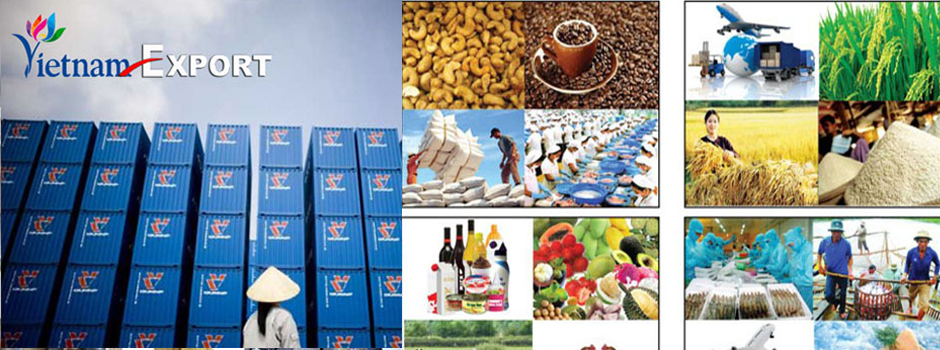
Agro-forestry-fishery exports earn $70 bln in 2025
Vietnam’s agro-forestry-fishery exports earned $70 billion in 2025, surpassing the $65-billion target, heard a conference held on December 31 reviewing the performance of the agriculture and environment sector in 2025 and outlining tasks for 2026.
The sector recorded a trade surplus of over $20 billion.
The sector's GDP growth rate was estimated at 3.92%.
Addressing the meeting, Prime Minister Pham Minh Chinh appraised achievements made by the sector in 2025 and its contributions to national development, particularly its role in ensuring food security and macroeconomic stability.
The leader called on the Ministry of Agriculture and Environment and the sector to pursue the approach of “modern governance; enabling institutions; science-driven development; prosperous agriculture, farmers and rural areas; sustainable resources; and a safe environment.”
VnEconomy-Chu Khôi
Vietnam Spring Fair 2026 to be held in early February
The Vietnam Spring Fair 2026, the first national Spring Fair, will take place at the Vietnam Exposition Center (VEC) in Dong Ạn Commune, Hanoi, on February 4–8, 2026.
The upcoming fair aims to strengthen trade promotion, boost domestic consumption during the Lunar New Year, expand export markets, and enhance Vietnamese national brands, the Government News remarked.
Covering an area of over 100,000 m² at the Kim Quy Exhibition Hall complex with 10 halls and an estimated 30,000 standard indoor booths, the fair will feature strategic zones spanning textile–leather–furniture value chains (VIVC 2026), agriculture, regional specialties, cultural industries, and Southern Tet experiences led by Ho Chi Minh City.
The "Family Spring – Tet Consumption" Zone will showcase a wide range of consumer goods, focusing on Tet food, gift items, home decor, family entertainment, and interactive shopping experiences.
The "Vietnam Agriculture – Spring Essence" Zone, chaired by the Ministry of Agriculture and Environment, will highlight key agricultural products, OCOP-certified goods, and traditional village specialties. It will also introduce clean production, processing, and traceability models aligned with green and sustainable consumption trends.
The "Hometown Spring – Regional Specialties" Zone allocates a 250 m² shared pavilion for each participating province or city, featuring local specialties, clean farm produce, OCOP products, geographic indication-certified goods, and regional Tet cuisine and cultural experiences.
The "Essence of Vietnamese Culture" Zone, implemented by the Ministry of Culture, Sports and Tourism, promotes commercialized products from 12 cultural industry sectors, inspired by Vietnamese traditional Tet themes and the Year of the Horse Spring Festival.
The "Spring Colors – Flowers, Ornamental Plants and Tet Decor" Zone, co-hosted by the Hanoi People's Committee, the Vietnam Ornamental Creatures Association, and the Vietnam Craft Village Association, displays and commercializes a vibrant collection of bonsai, orchids, peach blossoms, apricot flowers, kumquat trees, lanterns, folk paintings, handicrafts, and feng shui decorative items.
Additionally, a special exhibition zone led by the Ho Chi Minh City People's Committee will spotlight the city's economic, industrial, financial, innovation, cultural, and tourism achievements. It will also present Southern Tet artistic performances, festival interactions, and cultural exchange activities, reflecting the city's openness and creativity.
VGP-Van Nguyen
Hanoi-Hai Phong expressway proposed for expansion
The Vietnam Infrastructure Development and Finance Investment Corporation (VIDIFI) has proposed that the Ministry of Construction expand the Hanoi–Hai Phong Expressway from its current six lanes to eight or ten lanes.
After a decade of operation, traffic volume on the 105-kilometre expressway has surged sharply, rising from around 18,000 vehicles per day in 2016 to nearly 65,000 vehicles per day at present—an increase of more than 3.6 times.
By the end of 2024, traffic volume was estimated to reach about 90 per cent of the expressway’s designed capacity, with an average annual growth rate of over 10 per cent. This growth has exceeded initial projections by roughly 10 years compared with the financial plan under the build-operate-transfer (BOT) contract.
VIDIFI forecasts that traffic volume will surpass the designed capacity by 2028.
According to the company, expanding the expressway is necessary to improve transport capacity, ease congestion, strengthen regional connectivity, and create momentum for sustainable socio-economic development.
VnEconomy-Tuấn Khang
National center for land investigation and planning established
Under a decision by the Minister of Agriculture and Environment, the National Center for Land Investigation and Planning has been established.
The Center was formed by merging the Center for Land Investigation, Planning, and Valuation (under the Land Management Authority) and the Center for Land Science and Technology Development and Application (under the Institute of Policy and Strategy for Agriculture and Environment). It will officially begin operations on January 1, 2026.
According to the Minister's decision, the Center is tasked with drafting and adjusting national land-use planning and national land-use plans; organizing land investigations and assessments; and carrying out land protection, improvement, and restoration. Additionally, the Center will focus on the research, application, and transfer of science and technology in the land sector, while providing public services in accordance with the law.
In terms of professional responsibilities, the Center is assigned to develop and submit programs, plans, and projects related to land-use planning and strategies for the utilization and protection of land resources to the Minister. It will also directly organize the formulation and adjustment of national land-use plans, and conduct investigations to assess land quality, potential, degradation, and pollution levels across the country and its various socio-economic regions.
Furthermore, the Center will build, manage, and operate a land quality monitoring system. It will also participate in developing and updating databases on land, planning, land-use plans, land prices, and other specialized data into the National Land Database. Scientific research, strategic forecasting for land use, and the development of economic and financial land resources continue to be identified as core priorities for the Center.
VNeconomy-Hằng Anh
Hanoi ramps up efforts to clear air and waste pollution hurdles
Along with improving environmental sanitation and investing in solid waste treatment facilities, Hanoi will focus on mitigating air pollution, controlling emission sources, transitioning to green transportation, and protecting air quality.
To handle household solid waste, a plan recently approved by Vice Chairman of the City People's Committee, Mr. Nguyen Manh Quyen, outlines an additional treatment capacity of over 5,000 tons per day through the construction of three waste-to-energy plants (treating both daily generated waste and excavated buried waste). Specifically, the capacity of the Soc Son Waste-to-Energy Plant will be expanded by approximately 2,000 tons per day, bringing its total capacity to 7,000 tons per day, with construction slated for completion in 2027.
Additionally, the incineration capacity of the Solid Waste Treatment and Renewable Material Production Plant in the Xuan Son treatment area (Thanh Cong Plant) will be upgraded from 250 tons to 1,000 tons per day, also finishing in 2027. Furthermore, a PPP (Public-Private Partnership) project for environmental remediation and waste-to-energy at the Nam Son complex, with a capacity of 2,250 tons per day, is expected to be completed by 2029.
The city is also calling for investment in two planned waste treatment plants: the Chau Can Plant in the former district of Phu Xuyen (with a capacity of 1,000 tons per day by 2050) and the Nui Thoong Plant in the former district of Chuong My (with a planned capacity adjustment to 2,000 tons per day). Regarding construction waste, the city is accelerating procedures to open three new treatment sites to supplement the four existing ones.
Furthermore, the plan identifies the need to fast-track the Sludge Recycling and Treatment Project in Chuyen My commune. The 9,5 ha facility will utilize advanced technology for waste-to-energy treatment with a capacity of 3,000 tons per day.
The city will increase the use of monitoring systems and technological solutions, including satellites, remote sensing, traffic cameras, drones, and mobile applications like iHanoi and social media. These tools will be used to strictly monitor and penalize illegal waste burning and dumping.
Finally, authorities will intensify the detection and penalization of vehicles transporting construction waste or materials that are not properly covered or cleaned.
Vneconomy-Đỗ Phong
Vietnam forges ahead confidently into new era with wisdom, resilience: Party chief
Ahead of the New Year 2026, which marks the start of the 14th National Party Congress term, Party General Secretary To Lam has granted an interview to the Vietnam News Agency, affirming the country’s resolve to harness its intellect and fortitude as Vietnam moves confidently into a new era of development.
The following is the content of the interview:
Reporter: During 2020–2025, the country faced many unprecedented difficulties and challenges, however, under the Party’s leadership and thanks to the concerted efforts of the entire political system, people and armed forces, Vietnam has achieved many significant and comprehensive results in implementing the Resolution of the 13th National Party Congress. Could you please share the most notable achievements so far?
Party General Secretary To Lam: First and foremost, it must be affirmed that the achievements the country obtained during the past tenure are the crystallisation of the Party’s talented leadership, the resolute engagement of the entire political system, and, above all, the unity, determination, resilience and deep sense of solidarity shown by the people in the most challenging moments.
The 13th National Party Congress term witnessed unprecedented challenges. The COVID-19 pandemic, natural disasters, climate change, global turbulence, economic headwinds, supply-chain disruptions, employment pressures, and financial and banking strains struck in rapid succession, posing complex challenges that required swift, accurate and decisive policies, countermeasures, and responses. The difficulties were immense, yet the country overcame them and reached its goals. Notably, amid hardships, national stability was maintained, social order and public confidence were preserved, while the vital arteries of the economy – production and circulation – were restored in a timely manner, enabling the country to continue moving forward.
On the economic front, Vietnam made extraordinary efforts to recover from the COVID-19 pandemic while safeguarding major macroeconomic balances, preventing the economy from being destabilised by external shocks. Many sectors, localities and businesses adapted swiftly, innovated, sought new markets, created jobs and sustained production. As a result, the national economy demonstrated its strong resilience, endurance and a steadfast refusal to retreat.
On the social front, we always defined that development was guided not only by growth targets but by the goal of ensuring a stable and improved life for the people. In times of hardship, the spirit of solidarity and mutual support, the tradition “the good leaf covers the torn ones”, along with the quiet yet immense sacrifices of frontline forces, including the military, public security, healthcare workers, teachers and workers, underscored profound lessons about the power of national solidarity. Social welfare policies, poverty reduction programmes, and care for vulnerable groups and disadvantaged areas continued to be implemented with a clear objective: leaving no one behind.
Regarding the external affairs, Vietnam consistently pursued the foreign policy of independence, self-reliance, and being a friend, a trustworthy partner, and a responsible member of the international community. Amid growing global fragmentation and intense competition, preserving a peaceful and stable environment, expanding cooperative relations, and mobilising resources for development stand out as highly valuable achievements. Vietnam’s diplomacy goes beyond the goal of “making more friends and fewer foes”, instead focusing on expanding development space, elevating the country’s position, and promoting shared development based on peace, friendship, cooperation and equality.
For Party and political system building, Vietnam has remained steadfast in core principles – upholding discipline and integrity, keeping the contingent of officials clean; and strengthening public trust. The fight against corruption, wastefulness and misconduct has been intensified with a resolute approach – no avoidance, no forbidden zones, and no exceptions. The aim is not only to address violations, but also to raise awareness, improve mechanisms, safeguard what is right, encourage virtuous conduct, and enable officials to work confidently for the people and the country.
In summary, the most notable achievements of the term lie in overcoming challenges through determination, resilience and solidarity; maintaining stability for development; and persisting in self-correction and improvement to advance faster and more securely. While these accomplishments are significant and worthy of recognition, we must remain humble and vigilant, not ‘resting on our laurels’. The road ahead remains filled with major and difficult tasks, and to travel far and reach our goals, it is essential to uphold trust and discipline, and place national interests and the well-being of the people above all else.
Reporter: How do you assess the fight against corruption, wastefulness and negative practices during the past term, and what are the orientations for the next term to build an increasingly clean and strong Party capable of leading the country confidently into the new era?
Party General Secretary To Lam: Combating corruption, wastefulness and negative practices is a crucial task, essential for preserving the Party’s credibility, upholding the rule of law, and, most importantly, maintaining the trust of the people.
Looking back over the past term, it can be affirmed that the “battle against internal enemies’ has seen significant and substantive progress, becoming more systematic, resolute, scientific and determined. It has evolved from a political commitment into sustained action across the entire system, gaining broad public support. At the same time, the focus has expanded from combating corruption to also addressing wastefulness and misconduct, as wastefulness, though often silent, can severely deplete national resources and slow development.
Encouragingly, this process has reinforced a key truth – cleansing the system does not hinder development, but rather ensures healthier and more sustainable development. Addressing violations does not weaken the system, it upholds discipline and order, strengthens the workforce, provides support for upright and competent officials, and eliminates ‘corruption and rot’ within the political system”.
However, we must also frankly acknowledge that corruption, wastefulness, and negative practices are "inherent defects," "internal enemies" hidden within the system. In some places and at certain times, there has been a lack of vigilance, avoidance of responsibility, and mechanism loopholes. Poorly monitored public assets, investment projects, land, and bidding processes remain prone to violations. In other words, the results are commendable, but we must absolutely not be complacent. We need "vaccines," "antibiotics," “preventive medicine" and "community medicine” to detect, prevent, and address issues promptly and effectively.
Looking ahead to the next term, I would like to emphasise several key directions, guided by both determination and perseverance, ensuring thorough and solid implementation at every step.
First, the interests of the nation and the people must be placed above all else. Efforts to combat corruption and misconduct must be determined, persistent, and continuous; enforcement should be strict yet fair and humane, with no prohibited zones or exceptions. At the same time, mechanisms must protect officials who dare to think, act, and innovate for the common good, so that those who do the right thing are not at disadvantage, and those who do good are not left alone.
Second, we must shift strongly toward prevention, treating it as the foundation. While enforcement is necessary, it is even more important to prevent wrongdoing from taking root. This requires continued improvement of institutions, regulations, and procedures; clear delineation of responsibilities and authority, and stronger oversight; and greater transparency, especially in areas prone to negative practices.
Third, it is necessary to focus on perfecting the legal framework to close loopholes and establish a “solid foundation” for integrity. The Party’s correct policies and guidelines must be fully institutionalised into laws; decentralisation and delegation of authority should be paired with strict oversight; granting power must be linked to accountability, leaving no gaps that could become blind spots. Comprehensive measures are needed so that no one can, dares, or feels the need to engage in corruption, embezzlement, or misconduct.
Fourth, the prevention of waste must be considered as a very important front. It is not only about the waste of money, but also about time, opportunities, resources, and even trust. Therefore, it is necessary to review and decisively address projects that are behind schedule, prolonged, or inefficient; to rectify financial and budgetary discipline; and to improve the quality of public governance, so that every Vietnamese dong, every parcel of land, and every public asset truly serves national development and serves the people. We prioritise resources for development, and this is also an area where waste may arise. Therefore, we need to issue warnings and adopt preventive measures to ensure that waste does not occur.
Fifth, the role of grassroots Party organisations and the supervision of the people must be promoted. Where Party organisations are strong, discipline is strict, and the people are informed, consulted, and able to exercise effective supervision, negative practices find it difficult to take root. The prevention and combat of corruption, waste, and negative phenomena cannot be the task of functional agencies alone; it must become a way of thinking and a cultural norm of conduct of the entire system, in which the exemplary role of the head is decisive.
I would like to further emphasise that, as we enter a new stage of development, we need a clean and accountable apparatus so that the people have confidence, we need a strong apparatus so that it can perform its tasks, and we need a humane apparatus so that it can strengthen the trust of the people. This work must be carried out with great prudence: being resolute against wrongdoings, while at the same time creating an environment for what is right to spread; handling violations strictly to deter, while simultaneously improving mechanisms so that good people have favourable conditions to work, and so that society operates in a transparent and orderly manner.
Reporter: On the threshold of the 14th Party National Congress, can you please share your views on the significance of this congress, its guiding thoughts, strategic vision, and the aspiration to develop a strong, prosperous, civilised, and happy Vietnam?
Party General Secretary To Lam: Each Party Congress is a very important milestone, but the significance of the 14th National Party Congress is even more profound, as it takes place amid a rapidly changing, highly volatile and unpredictable world context. At the same time, after many decades of renewal, our country has attained new fortune, potential and position, while also facing new, higher and more pressing development requirements. This is the moment for us to look straight at reality, correctly identify opportunities and challenges; to comprehensively review what have been achieved, clearly point out existing obstacles, and, most importantly, to unify will and action so as to move forward with steadiness and confidence.
In my opinion, there are three major points regarding the guiding thoughts and strategic vision that this Congress needs to clearly define and strongly spread.
The first is unity and confidence. Unity is not merely a slogan or a call. Unity must become a mode of conduct of the entire system and of every Vietnamese person: unity within the Party, unity among the people, unity between the Party’s will and the people’s aspirations; knowing how to put the common interest first and set aside personal interests when necessary. Along with unity is confidence: confidence in the path we have chosen, confidence in the strength of the nation, and confidence that good outcomes will come if we work persistently for the country and for the people.
The second is discipline and breakthroughs. For the country to move fast, breakthroughs are required; but to go far, discipline is indispensable. Therefore, the action motto of the Congress has been clearly defined as: “Unity – Democracy – Discipline – Breakthrough – Development.” Breakthroughs here do not merely mean undertaking a few “new tasks”, but rather renewing mindset so as to dare to address the real bottlenecks, including institutions, organisational apparatus, quality of human resources, governance capacity, and public service discipline; thereby enabling the country to operate more smoothly, more fairly, more transparently, and more effectively.
The third is development for people and by knowledge. The aspiration for a “strong, prosperous, civilised and happy” country must first be measured by very practical, everyday realities: whether people have better jobs, more stable incomes; whether they have more decent and better housing; whether their children enjoy better access to education; whether illnesses are better cared for; whether the elderly have support; and whether disadvantaged areas receive timely assistance. For everything to become “better”, we must regard knowledge, science, technology, innovation and digital transformation as the key driving forces of the new growth model, while strongly mobilising all social resources, in which the private economic sector is an important driver.
The strategic vision of the Congress is also closely linked to clearly defined milestones: selecting sound policies to successfully achieve the goals by 2030 and to realise the vision to 2045. These are “milestone markers” to strive for, so that every sector, every locality, every agency and each person can see their specific role and responsibility in the shared journey.
According to the plan, the 14th National Party Congress will be held from January 19 - 25, 2026 in the capital city of Hanoi. This is a major political event of our Party and our nation, a historic milestone of the country in the Ho Chi Minh era, marking the convergence of the nation’s thousand-year tradition of culture and civilisation as it rises to enter a new era. Cadres, Party members and the people are paying due attention, following closely, and placing high expectations on the success of the Congress. I firmly believe that the 14th Party National Congress will truly be a convergence of wisdom, mettle and aspirations; a congress that speaks the truth, discusses the right issues, and makes the right decisions.
Reporter: On the occasion of the New Year 2026, what message would you wish to convey to the Vietnamese people and the international community?
Party General Secretary To Lam: On the occasion of the New Year 2026, I would like to send a brief and heartfelt message.
To the Vietnamese people, I would like to express my deep gratitude for your trust, for your silent sacrifices, for the patience and solidarity that our compatriots have shown to one another and to the country during years marked by many fluctuations. I hope that every family will welcome the new year in peace and safety; that every individual will step into the new year with a simple aspiration: to perform their jobs better, and to see their material and spiritual lives improve day by day. When millions of such “better” things come together, the country will grow stronger in a sustainable manner.
I also hope that cadres and Party members at all levels will always bear in mind that the higher the position, the greater the responsibility; the greater the power, the more one must bind oneself with discipline, integrity, and exemplary conduct. Whatever benefits the people must be pursued to the utmost; whatever causes inconvenience to the people must be avoided to the utmost; whatever is wrong must be corrected, and whatever is right and good must be protected.
To friends and the international community, I would like to affirm that Vietnam always treasures the goodwill, trust and cooperation. We wish to work together with countries, organisations, and people around the world to build an environment of peace, stability, and cooperation for shared development. Vietnam is always a reliable partner and a responsible member of the international community, joining hands to address common challenges such as climate change, non-traditional security issues, inclusive development, digital transformation, and innovation. We believe that the best outcomes always begin with mutual respect, sincere dialogue, and cooperation that brings tangible benefits to the people and nations around the world.
I wish our compatriots, soldiers nationwide, and international friends good health, peace, safety, cooperation, and development in 2026.
Happy New Year 2026!
VNA-
A shift to smart manufacturing
Backed by strong policy commitments, emerging “Lighthouse” factories, and growing demand for greener, more resilient supply chains, Vietnam is positioning itself to compete at the frontlines of advanced manufacturing. The window of opportunity is wide open, industry leaders and global partners have said, but seizing it will require speed, strategy, and sustained innovation.
Shift to ‘Lighthouse’ factories
Opening the panel discussion on “Smart Manufacturing and Global Supply Chains” at the recent Autumn Economic Forum 2025, Mr. Tahar Kerkeni, Lead of Next Generation Industrial Operating Systems at the World Economic Forum (WEF), sketched a panoramic view of the Global Lighthouse Network - the global benchmark for smart manufacturing.
The network now includes 201 factories that have deployed advanced technologies at scale, from AI and automated robotics to 3D printing and the Internet of Things (IoT). The results are striking: average productivity is up 40 per cent, costs are down 40 per cent, and carbon emissions have fallen by as much as 40 per cent. Mr. Kerkeni noted that rapid advances in science and technology are reshaping global value chains. Vietnam, he said, is at a pivotal juncture to emerge as a new manufacturing hub, anchored by three pillars: innovation, sustainable development, and resilience.
Foxconn is currently Vietnam’s first and only operator of a Lighthouse factory, serving as a tangible illustration of how technology can transform management, operations, and productivity. According to Mr. Liu Zhongchang, Vice President and Chief Data Officer at Foxconn Industrial Internet, as the world’s largest electronics manufacturing services (EMS) provider, Foxconn operates eight Lighthouse factories worldwide, but its Vietnam facility has posted the most impressive growth. Over the past decade, workplace productivity at Foxconn Vietnam has climbed more than 50 per cent. In 2025 alone, revenue surged 83 per cent while the workforce grew just 20 per cent.
The rising trend of “reshoring” - bringing production closer to end markets - is also accelerating momentum. Automation technologies are helping new factories quickly reach performance levels comparable to long-established sites. This, Mr. Zhongchang said, represents a “golden opportunity” for countries like Vietnam, provided they invest early and strategically in technology.
A recent study by professional services company Accenture found that among the world’s 4,000 largest companies, a growing share is committing to net-zero emissions across their entire value chains, including suppliers. This shift presents significant growth potential not only for major corporations but also for small and medium-sized enterprises (SMEs).
Next manufacturing frontier
Mr. Tran Anh Tu, Deputy Director of the Information Technology - Industry Department at the Ministry of Science and Technology (MoST), said that although Vietnam currently has only one Lighthouse factory, this is a positive sign - a testament to the innovation capacity of Vietnamese enterprises and a door opening towards advanced manufacturing. “We expect the number of Lighthouse factories in Vietnam to increase in the near future,” he added.
He outlined three strategic directions for developing the Lighthouse model in Vietnam. First, Vietnam must enhance digitalization, automation, and data governance before moving towards more complex applications such as AI and advanced automation. Second, the government will prioritize areas that can help businesses quickly access the Lighthouse model. Third, it is essential to build a strong supporting ecosystem, including infrastructure, connectivity, digital platforms, and support services.
Ms. Nguyen Da Quyen, Co-Director of the Center for Smart Manufacturing and Supply Chains at the Ho Chi Minh City Center for the Fourth Industrial Revolution (HCMC C4IR), observed that Vietnam is making clear progress, with rising automation, particularly in manufacturing. Vietnam is one of the markets with a high IoT adoption rate, with about 36 per cent of enterprises already applying IoT solutions and the number of industrial robots also growing rapidly.
However, most businesses remain in the early stages of their digital transformation journey, and 60 per cent of SMEs are only at the beginning. Notably, digital transformation in Vietnam is taking place mainly at the shop-floor level. A recent survey revealed that nearly 80 per cent of enterprises use Enterprise Resource Planning (ERP) or Manufacturing Execution System (MES) software or data platforms, but only about 11 per cent have reached full automation.
Mr. John Chang from Foxconn emphasized three key factors: corporate culture transformation, workforce transformation, and a clear technology roadmap. He added that Foxconn has implemented a distinctive strategy: placing frontline workers at the center of the digital transformation journey through comprehensive training for technicians and operators, providing digital tools, and building an international training program. “We have built a strong human-resource ecosystem over more than a decade,” he said. “This model is now being replicated in Mexico and the US.”
Full-spectrum policy engine
Mr. Tu provided the discussion with detailed information on the support policies Vietnam is implementing to enable the manufacturing ecosystem to grow. Regarding strategic technologies, the Ministry of Industry and Trade has just announced a list of priority technology groups, including leading global technologies such as AI, big data, blockchain, and IoT, as “strategic technologies” for Vietnam.
There are currently 35 strategic technology fields. Building on this foundation, MoST is developing a comprehensive, long-term program for the development of strategic technology. The program introduced six key strategic technology products this year, aimed at enhancing Vietnam’s capacity to master machinery and technological systems.
A central objective is to place enterprises at the heart of innovation and to encourage collaboration between businesses in technology development. MoST has also established a strategic technology taskforce - the first time an innovation-driven team has been formally integrated into the national operational structure, with enterprises positioned as the primary actors.
On the legal front, the Ministry is drafting a series of new laws: the Law on Artificial Intelligence, the Law on Digital Transformation, the Law on High Technology, and the Law on Digital Technology, as well as an accompanying legal framework for AI. All of these aim to create a favorable, stable, and streamlined environment for business development.
In terms of human resources, Vietnam is opening its doors more widely to attract top global experts and major technology corporations. For the first time, MoST is rolling out a plan to attract world-class talent to support both technological development and enterprise-level innovation capacity.
On infrastructure, several recent policies are enabling upgrades to systems that support Industry 4.0: the deployment of 5G infrastructure in major cities, the expansion of data centers, the development of smart industrial parks, and stronger international cooperation in data governance.
On green transition, Decree No. 06/2022 and Circular No. 31/2023 add pressure but also provide motivation in digital transformation. More than 1,900 high-energy-consuming enterprises are required to measure and report energy use and emissions, driving natural demand for digital tools to monitor and optimize operations.
Vietnam has demonstrated a clear and consistent direction over the past four years. Politburo Resolution No. 52-NQ/TW and, most recently, Politburo Resolution No. 57-NQ/TW both prioritize science and technology, innovation, and digital transformation. This is exactly what the business community has been expecting: a long-term, stable trajectory that helps Vietnam evolve from a technology adopter to a country with genuine innovation capacity.
Finally, international cooperation is accelerating the pace of Vietnam’s transformation. Through partnerships with C4IR and the WEF, Vietnamese enterprises can access global smart manufacturing standards, assess their readiness, and begin the journey toward a smarter, greener production model.
VET-Nguyet Ha
Around 112,000 workers to be sent abroad in 2026
Vietnam aims to send 112,000 workers to work overseas in 2026, the Government News quoted Deputy Minister of Home Affairs Vu Van Chien as reporting on December 29.
In 2025, unemployment and underemployment rate continued to fall while the average monthly income of workers reached VND8.31 million (around $320), up VND756,000 from 2024, according to the Deputy Minister.
The urban unemployment rate was 2.39 per cent, the unemployment rate among working-age laborers stood at 2.22 per cent, and the working-age underemployment rate was 1.65 per cent — all lower than in 2024, he added.
During the year, the nationwide network of employment service centers organized more than 750 job fairs, providing career counseling and job placement support to about 1.7 million people, of whom 425,500 secured jobs. Some 745,000 applications for unemployment benefits were filed, down 12 per cent compared to the previous year.
Vietnam also sent 144,300 workers abroad under labor export programs, exceeding the annual plan and setting a new record.
For 2026, the ministry will continue to reform legal regulations, further streamline the administrative apparatus, and accelerate decentralization and delegation of authority. Workforce management for 2026–2031 will be aligned with job positions and the specific mandates of each ministry and locality.
The Ministry of Home Affairs plans to propose revisions to wage and allowance policies for public employees, civil servants, the armed forces, and other statutory salary schemes, according to the deputy minister.
-
National Expo Steering Committee established
Under Decision No. 2807/QD-TTg of December 26, 2025, signed by Prime Minister Pham Minh Chinh, a National Expo Steering Committee has been established, with Deputy Prime Minister Bui Thanh Son acting as its head.
According to the Government News, the Steering Committee is in charge of studying and proposing to the Prime Minister's specific, practical, and effective plans, solutions, and approaches for organizing National Fairs.
It will assist the Prime Minister in directing and coordinating ministries, ministerial-level agencies, governmental bodies, and relevant agencies in organizing national expos.
The Ministry of Industry and Trade shall be the standing agency of the committee.
The committee shall be dissolved automatically after December 31, 2030.
VGP-Pham Long
Vietnam's domestic market surges in 2025, hitting $269 bln milestone
The year 2025 marked a significant milestone as Vietnam’s domestic market that has not only recovered but achieved a powerful breakthrough, reaching an impressive scale of $269 billion.
According to the latest report from the Domestic Market Management Department (Ministry of Industry and Trade), 2025 was a strategic turning point, marking the transition from post-pandemic recovery to explosive growth.
Total retail sales of goods and consumer service revenue grew by 9–10% compared to 2024. This represents the highest growth rate in the last five years (excluding the unusual fluctuations of the pandemic period), demonstrating the strong internal resilience of a market with over 100 million people.
National commercial infrastructure also made significant strides in both quality and quantity. The modern distribution system now includes 1,293 supermarkets and 276 shopping malls, while a network of 8,274 traditional markets continues to play a vital role in supplying essential goods.
E-commerce witnessed a massive boom, reaching $32 billion and accounting for 12% of total national retail revenue. With a growth rate exceeding 20%, Vietnam has risen to the second-fastest growing e-commerce market in Southeast Asia.
Notably, consumption patterns are shifting positively. While food and staples still hold the largest share (34.1%), spending on services—including hospitality, dining, and tourism—is growing faster at a rate of 12–14% per year. This reflects the consumption trends of a developing economy where citizens are beginning to prioritize quality of life and experiential values.
Outlook for 2026
Heading into 2026, the market is expected to be influenced by trends in automation and Artificial Intelligence (AI), which may impact consumer sentiment due to employment concerns. However, given the young population and rapidly rising per capita income, the outlook for 2026 remains very optimistic.
To maintain this growth momentum, experts from the Domestic Market Management Department have proposed several key solutions. First, there is a need to accelerate digital transformation by investing in digital technologies—ranging from warehouse management systems to cashless payments and livestream selling—to optimize costs.
Businesses are encouraged to invest heavily in smart inventory management and online sales platforms. Applying AI to analyze consumer behavior will be crucial in personalizing the shopping experience.
Furthermore, bridging the regional gap is a priority. This involves developing commercial infrastructure in rural areas and effectively connecting supply and demand to bring modern goods closer to people in remote regions. The report notes that this solution aims to address the current imbalance, where 50% of modern infrastructure is concentrated in major cities.
While maintaining the 8,274 traditional markets, there should be policies to encourage the development of mini-marts and convenience stores in rural and mountainous areas. Improving transportation and warehousing systems in remote regions is also essential to ensure a seamless flow of goods and reduce logistics costs—a major current barrier.
Finally, the report suggests organizing specialized trade promotion programs to bring high-quality goods to rural areas while supporting local agricultural products in accessing modern distribution channels in cities. On the corporate side, domestic enterprises are encouraged to merge and form alliances to increase their scale and competitiveness against international rivals.
Vneconomy-Vũ Khuê
Nghe An eyes $500 mln in annual forestry exports by 2030
Nghe An Province in central Vietnam has identified forestry as a key economic sector within its green growth and sustainable development strategy. Aiming to reach an export turnover of $400–500 million annually for wood and forest products by 2030, the province expects to achieve a significant shift from traditional production to a "multi-value" forest economy.
The province strives to maintain an annual afforestation area of at least 22,000 ha. Priority will be given to planting large-timber forests and converting existing plantations into large-timber models to enhance economic efficiency.
Additionally, the province is focusing on developing non-timber forest products, medicinal plants, and specialty crops under the forest canopy across approximately 9,000 ha, creating additional revenue streams and sustainable livelihoods for residents, particularly in mountainous regions.
Another vital indicator is the target of over 70,000 ha of forest receiving sustainable forest management certificates, meeting the requirements of both domestic and international legal timber markets. Average plantation productivity is targeted at 25–30 m3/ha/year, with an average timber harvest output of 2.2–2.5 million m3 per year. The value of raw material plantations is expected to increase by 1.5 to 2 times per unit area compared to the 2021–2025 period.
Additionally, the locality is focusing on refining management practices, restructuring forestry development spaces, and investing in synchronized infrastructure. The province aims to fundamentally complete the allocation and leasing of forest land and forest resources in accordance with planning, ensuring that 100% of forest areas have clearly assigned management entities.
As planned, the High-Tech Forest Seedling Production Center will be brought into stable and efficient operation, which is considered a crucial foundation for improving seedling quality, reducing production costs, and increasing the competitiveness of the province's forestry products.
Furthermore, Nghe An is concentrating on building infrastructure and information technology systems to accelerate digital transformation in forest management, protection, development, and fire prevention. The province plans to gradually modernise its systems for monitoring forest dynamics and managing forest resources.
Looking toward 2045, the province envisions the formation of large-scale concentrated raw material zones with optimized crop structures. Priority will remain on large-timber forests, indigenous species, and certified sustainable forests. The under-canopy economy will be developed toward a multi-value approach, integrating medicinal herb cultivation, non-timber forest product exploitation, eco-tourism, carbon credits, and other forest environmental services.
Vneconomy-Nguyễn Thuấn
Flexible Work - Flexible Life: New benchmark for international business living
According to the ‘City Pulse 2025: The Magnetic City’ survey by the Gensler Research Institute, Ho Chi Minh City ranks second among 65 cities worldwide in retaining residents. Based on responses from more than 33,000 participants, the city’s appeal lies in its modernity, vibrancy, and openness - qualities that encourage newcomers to stay.
The housing challenge of a megacity
Ho Chi Minh City is entering a new stage of development marked by urban expansion, improving quality of life, and growing attractiveness as both a career destination and a long-term place to live. Alongside rising investment and the formation of economic and technology hubs, the city is drawing increasing numbers of international entrepreneurs, experts, and knowledge workers, particularly in finance, technology, and international trade.
This shift raises a central question: what standards should living spaces meet in a fast-moving megacity?
Where housing once focused primarily on comfort and convenience, the expectations of today’s global professionals have evolved. Flexible working models are driving demand for living spaces that can adapt accordingly.
The concept of “Flexible Work – Flexible Life” reflects a lifestyle shaped by adaptability. Increasingly, residents seek environments that support living, working, and recovery within a single setting. For professionals balancing frequent meetings and travel, proximity to the city center combined with a sense of calm has become a decisive factor.
In Ho Chi Minh City, however, this balance is difficult to achieve. As central land becomes scarcer and construction density rises, such balanced living environments are becoming increasingly scarce amid rising density and accelerated urbanization, particularly as the city accelerates the development of its international financial center.
Urban development experts note that a global financial center cannot rely solely on technical infrastructure or financial institutions. High-quality living infrastructure is equally essential to attract and retain international talent and investors. In this context, real estate serves as a bridge between economic growth and quality of life, with internationally planned urban areas contributing to long-term competitiveness.
With clear legal status, eligibility for foreign ownership, and a transparent pricing policy, The Privé has emerged as one of the projects drawing attention from international buyers.Redefining living standards for global professionals
Against this backdrop, not all luxury developments carry equal weight. As high-end supply expands, projects that align closely with real demand, particularly those supporting the operational needs of financial centers and major economic hubs, are more likely to sustain long-term appeal.
Located next to the Ho Chi Minh City International Financial Center in Thu Thiem, The Privé has drawn market attention as one of the few primary luxury projects to complete legal procedures and offer long-term ownership, including for foreign buyers. Its location enables efficient access to key financial, cultural, and commercial areas while remaining integrated into the broader urban structure of the city.
Beyond connectivity, the project’s value is reflected in its spatial planning. Surrounded by the river on three sides, the site benefits from a rare natural microclimate. Open-design towers allow natural light and river breezes to flow into each apartment, while a construction density of approximately 25 per cent leaves most of the area dedicated to green spaces and water features, creating a sense of calm within the urban core.
Here, nature is not simply decorative but integral to daily life. International studies have shown that riverside and green living environments can reduce stress, improve concentration, and support mental recovery - key considerations for knowledge workers and entrepreneurs.
Apartment layouts are designed to balance privacy and flexibility, with spaces suitable for both focused work and social interaction. Features such as soundproof, heat-insulating Low-E glass and layered security systems further shield residents from the surrounding urban pace.
The Privé’s internal amenities are designed to support work, meetings, leisure, and social interaction for modern entrepreneurs and professionals.Internal amenities function as extensions of the living environment. Facilities include dining venues, co-working spaces, recreation, and health services, enabling residents to integrate professional and personal activities seamlessly. Shared spaces are designed to adapt from private settings to open, contemporary environments, reflecting modern business practices.
As centrally located residential supply continues to tighten, such developments are increasingly positioned not just as places to live, but as long-term platforms supporting the evolving lifestyles of the urban professional class.
For more information, visit the project’s official website: theprive.vn
-Diep Linh
Regulations on gold trading tightened
The Government has issued a decree on administrative penalties in the monetary and banking sector, with a strong focus on regulating gold trading activities.
The decree No. 340/2025/ND-CP, which will take effect from February 9, 2026, sets a maximum fine of up to VND400 million (approximately $15,200), depending on the severity of the violation.
The most severe penalties, ranging from VND300 million to VND400 million, will apply to unlicensed production or trading of gold bars, import or export of raw gold or gold bars without permits from competent authorities, and other gold trading activities conducted without proper authorisation.
According to the State Bank of Vietnam (SBV), nine applications have been submitted by commercial banks and eligible enterprises seeking licences to produce gold bars.
VnEconomy-Mai Nhi
Localization of railway sector to be accelerated
Vietnam’s railway industry is opening a new chapter, one where the conversation is no longer just about construction spending but about shaping a domestic railway industry. As the revised Law on Railways moves towards completion, alongside the national plan to develop human resources for the industry to 2035 and the restructuring of the Vietnam Railways Corporation, the industry is approaching a pivotal moment.
For the first time, the railway industry is being recognized as a foundational component of national infrastructure - one with the potential to spread technology, create jobs, and build long-term self-reliance. These institutional shifts do more than pave the way for modern infrastructure.
Missing links
Though the potential for Vietnam’s railway industry is enormous, with multiple national flagship projects underway, the reality is that this fertile ground still lacks enough businesses willing to cultivate it.
Mr. Vo Ta Luong, General Director of the Vinh Hung JSC, a Vietnamese company providing technological products and solutions for traffic and civil and industrial construction, said one major reason Vietnam has yet to develop a sustainable domestic value chain in the industry is that nearly all technical materials are imported. The gap between existing manufacturing capabilities and the technical requirements of a modern railway network remains substantial.
Another factor, he noted, is that domestic companies have had limited access to large-scale tenders, largely due to constraints in technological capacity and capital as well as contractor selection mechanisms. On top of that, the high risk associated with investing in advanced industrial equipment discourages many from entering the field, even those with RD and manufacturing potential. More importantly, both local and foreign experts and businesses argue that Vietnam still lacks a national technical standards system and has yet to create a testing or “sandbox” mechanism for companies to validate and refine products before commercialization.
As a result, the railway industry is highly fragmented, with technical standards varying from project to project. This is compounded by lingering bias among some consumers and investors against “Made in Vietnam” products. Many experts believe the industry’s biggest challenge today is technology localization. This process, they emphasize, must span the entire value chain, from research, design, and manufacturing to construction, rolling stock production, signaling and communications equipment, power supply, industry-specific materials, and auxiliary equipment.
The objective of localization is not only to reduce import costs but to keep value creation within the country and gain full control over technology, standards, and testing. Increasing the localization rate while upgrading technological capacity will also help reduce lifecycle costs, and enhance safety, quality, and long-term sustainability for the railway network.
In the long run, technology localization will not only save costs but also deliver advantages in time, safety, and self-reliance, and will form the foundation for building an independent Vietnamese railway industry capable of integrating into, and competing with, global supply chains.
Blueprints for self-reliance
To build a self-reliant railway industry, Vietnam must quickly refine its technology localization framework, from policymaking and technical standards to procurement mechanisms and enterprise support. Crucially, railway technology development cannot be separated from four pillars: technology, solutions, investment, and supply chains.
In terms of technology, Vietnam needs to choose an appropriate direction: avoiding costly, overly complex systems while ensuring modernity, safety, transferability, and adaptability to domestic conditions. Technology selection is not merely a technical decision but a long-term strategic choice tied to a phased localization roadmap, one that allows Vietnamese companies to learn, participate, and gradually take the lead.
Equally important is the need for comprehensive development solutions. Building a railway industry is not just about purchasing rolling stock or laying lines. It must be viewed within a broader structure that includes investment models, governance mechanisms, maintenance systems, and smart operations. Future projects should be designed with open architectures capable of integrating control, energy, data, and automation technologies, creating space for Vietnamese enterprises to contribute across every stage of the value chain.
Investment capital remains a major challenge, as the State budget can cover only part of needs. Mobilizing private and foreign investment will also require transparent, flexible mechanisms and a clear legal framework for public-private partnerships (PPP). At the same time, the government must make long-term procurement commitments to domestic firms, especially in technology, to build confidence and encourage sustained investment.
Beyond capital and technology, the supply chain is pivotal for sustainable growth. Standardizing technical requirements and establishing unified norms across projects will help consolidate the industry, expand production scale, and attract domestic investment. Vietnam must also support companies in meeting international standards, strengthening the domestic manufacturing base while enabling local firms to enter regional supply chains.
The process should prioritize private companies with strong innovation capacity and competitive costs, while enforcing mandatory localization roadmaps that require foreign manufacturers to partner with Vietnamese firms in technology transfer. In parallel, policies must protect the domestic industry, prevent origin fraud, and ensure that Vietnamese-made products are widely used in infrastructure projects.
Another critical direction is establishing a dedicated sandbox for the railway industry - a controlled environment where companies can test, validate, and refine technologies before commercialization. International experience shows that such testing spaces support not only research but also the training of engineers and high-tech workers, reducing deployment time and mitigating risks during the early stages of investment.
If implemented cohesively, these mechanisms will help Vietnam shift from an importer to a country that mastered and then gradually exported railway technology. This is not only an economic objective but also a strategic step towards sustainable industrialization, reinforcing national infrastructure capacity and elevating Vietnam’s position in the regional industrial value chain.
VET-Huynh Dung