Vietnam News


Vietnam’s MA market remains a rare bright spot: seminar
The Vietnamese merger and acquisition (MA) market has continued to demonstrate remarkable stability, emerging as a rare bright spot with strong, high-quality capital inflows, experts said at the Vietnam MA Forum 2025 held in Hanoi on December 9.
Speaking at the event, Deputy Minister of Finance Tran Quoc Phuong affirmed that Vietnam—both as a whole and specifically its MA market—remains a safe, attractive, and highly promising destination for foreign investors. He noted that both domestic and international investors continue to show strong confidence in Vietnam’s economic prospects and investment opportunities.
In recent years, Vietnam has increasingly become a strategic hub for major global corporations, serving as a key link in supply chains, particularly in high-tech sectors such as electronics, semiconductors, and artificial intelligence. MA activity has also expanded into these areas, with tech giants like Nvidia and Qualcomm acquiring stakes in domestic firms to advance RD and develop Vietnam’s AI ecosystem.
In the first ten months of 2025, Vietnam recorded 218 MA deals worth a total of $2.3 billion. Despite challenges facing the Southeast Asian MA landscape—such as tighter financial conditions and geopolitical uncertainties—Vietnam has maintained steady momentum, driven by highly selective and well-structured transactions.
Notably, large-scale deals contributed nearly $1 billion, primarily from international investors, underscoring the strong appeal of Vietnam’s high-quality assets and stable-performing enterprises. Following a record peak in 2024, the average transaction size returned to $29.4 million, indicating a healthier balance and greater vibrancy in the mid-market segment.
Experts anticipate that 2026–2027 will see a strong boost in MA activity, propelled by improvements in the legal framework and the continued expansion of market access.
VnEconomy-Minh Huy
Vietnam Economic Times December 08, 2025
Dear readers,
Vietnam has been buffeted by some 15 typhoons this year, with these extreme weather events having caused an estimate $3.22 billion in economic losses as of November 24, making it among the most damaging storm seasons in half a century. Rising waters tore through lives, supply chains, and urban infrastructure. Against such a backdrop, sustainability is no longer a distant ambition; it is today’s non-negotiable responsibility.
This week’s Cover Story, drawn from the Green Economy Forum (GEF) 2025 in Hanoi, held by EuroCham and VIETRADE, looks at Vietnam’s next chapter of growth - one that turns climate resilience into competitive advantage and green ambition into economic momentum.
Articles cover discussions exploring Vietnam’s priority sustainability areas, including clean energy, green finance, sustainable agriculture, AI, water resilience, and green manufacturing, translating global insights into practical measures Vietnamese businesses, policymakers, and communities can implement today.
At GEF 2025, held as Vietnam and the EU celebrate 35 years of diplomatic ties, policymakers, CEOs, and innovators converged on a single truth: the requirements and nature of Vietnam’s next stage of economic growth demand a deliberate pivot towards climate resilience, energy security, and sustainable investment. These are no longer optional add-ons; they are the very foundations of future competitiveness in a rapidly-changing global economy.
During these discussions, experts dissected the bottlenecks holding back progress and also shared practical solutions to contribute to the ambitious targets Vietnam has set for itself.
Mr. Bruno Jaspaert, EuroCham Chairman, emphasized that “the green transition is a must-win battle,” noting that Vietnam’s economic ambitions cannot be sustained without a decisive shift towards long-term climate resilience and sustainable development.
He added that the country has already taken bold steps: a net-zero emissions by 2025 pledge at COP26, supported by the National Strategy for Green Growth, Power Development Plan VIII (PDP8), targeting 47 per cent renewable energy by 2030, and a carbon market roadmap towards full operations by 2029. At the same time, the country has become one of the world’s fastest growing economies, attracting $33.69 billion in FDI in the first eleven months of 2025. “Vietnam is surfing a wave of change and relentless growth, creating real momentum,” he said.
With the theme “Shaping Changes, Building Futures,” GEF 2025 was not only a conference but also a call to action, and reminded us that this current era of rising growth is the precise moment to choose bold, clear strategies that secure prosperity for decades to come.
The time has arrived to shape the changes needed to build the future ahead of us. Vietnam has the momentum, the partnerships, and the vision. Now is the moment to act.
Warmest regards
Dr. CHU VAN LAM
CHAIRMAN OF THE EDITORIAL BOARD
-Vietnam Economic Times - VnEconomy
PM asks for stronger efforts to combat IUU fishing
Prime Minister Pham Minh Chinh has directed ministries, sectors and localities to pursue the dual goals of combating illegal, unreported and unregulated (IUU) fishing and fostering sustainable fisheries development.
The instruction was delivered at the 25th meeting of the National Steering Committee for Combating IUU Fishing, held in Hanoi on December 9, under the Prime Minister's chair.
At the meeting, the committee reviewed progress in addressing IUU fishing, with a focus on issues raised by the European Commission (EC), preparations of reports in line with EC recommendations, and strengthening fisheries cooperation with regional countries. Officials also discussed measures to promote sustainable fisheries for the long-term benefit of the country and its fishing communities.
PM Chinh stressed the need to restructure fishing fleets and workforce to ensure full compliance with the law; expand aquaculture; reduce offshore exploitation; and improve both the material and spiritual well-being of fishing communities. He also underscored the importance of enhancing fisheries cooperation with neighbouring countries.
He instructed ministries, agencies and localities to thoroughly review all issues highlighted by the EC, ensure accurate and comprehensive reporting, and clearly identify areas of progress as well as shortcomings requiring further action.
The Prime Minister called for close coordination in preparing full and accurate reports for submission to the EC, and for candid, substantive engagement with EC representatives to ensure data consistency. This will enable the EC to make a complete and precise assessment of Vietnam’s efforts to combat IUU fishing.
Over the past nearly two months, coastal localities have launched a campaign to combat IUU fishing with the aim of removing the EC’s “yellow card” warning this year.
The Ministry of Agriculture and Environment reported that the national fisheries database (VNFishbase) has now been fully digitised and integrated. All 79,180 fishing vessels nationwide have been registered and updated on the VNFishbase system.
VnEconomy-Hà Lê
More efforts to crack down on smuggling, counterfeit goods
Under the action plan approved by the Government’s Resolution No. 397/NQ-CP of December 5, 2025, inferior levels have been requested to resolutely prevent, combat, contain, and gradually eliminate smuggling, trade fraud, counterfeit goods, and intellectual property infringements.
The Government News quoted the resolution as reporting that it aims to protect the rights and legitimate interests of the people and businesses and safeguard public health and safety, thus contributing to national security, social order, and safety and promoting fast and sustainable economic growth.
The action plan aims to ensure that all officials and public employees uphold professional ethics, responsibility, competence, and integrity. Strict punishments shall be imposed on anyone who cover up or facilitate violations, following the principle of "no concessions, no forbidden zones, no exceptions".
It targets full adoption of modern technology, digital tools, and databases across all enforcement agencies to strengthen market monitoring and control, while requiring all major e-commerce platforms, social networks, and media outlets make commitments not to trading or advertising counterfeit, substandard, or unclear-origin goods and those infringing intellectual property rights.
Additionally, all those involved in producing or trading consumer-health-related products must receive legal guidance on counterfeit goods, intellectual property, and relevant standards, and all consumers be educated about their rights and how to protect themselves.
The action plan rolls out eight tasks and solutions to combat smuggling, trade fraud, counterfeit goods, and intellectual property infringements as follows:
(i) Improve the institutional framework to ensure transparent, consistent, and effective regulations for preventing and combating smuggling, trade fraud, and counterfeit goods;
(ii) Strengthen the apparatus of enforcement bodies by clearly defining their functions, tasks, and responsibilities, ensuring synchronized and effective coordination;
(iii) Mobilize the entire political system, along with citizens and businesses, to actively participate in the fight against smuggling, trade fraud, and counterfeit products;
(iv) Build a competent, ethical, and corruption-free contingent of public officials, imposing strict discipline and severe penalties on anyone committing violations, based on the principle of "no concessions, no forbidden zones, no exceptions;"
(v) Intensify inspection, supervision, and strict handling of violations related to licensing, conformity assessment, and quality control across sectors and localities;
(vi) Enhance coordination among ministries, sectors, and local authorities to effectively prevent and combat cross-border smuggling and trade fraud;
(vii) Expand the application of modern technologies, digital tools, and data systems to improve monitoring, tracing, and controlling goods in circulation; and
(viii) Boost communication and international cooperation to raise public awareness of the harms of smuggling and counterfeit goods, while strengthening global partnerships to tackle these illegal activities.
-
Private economy on the way of revitalization
Since Resolution No. 68-NQ/TW was issued in May by the Politburo on the development of Vietnam’s private economic sector, what impact has it had on the business community?
Politburo Resolution No. 68 sets ambitious targets for the private economy, aiming for 2 million operating enterprises by 2030, or about 20 enterprises per 1,000 people. At least 20 large enterprises are expected to join global value chains, with the private economy growing 10-12 per cent annually, contributing 55-58 per cent of GDP, and providing employment for 84-85 per cent of the workforce. By 2045, the goal is at least 3 million enterprises, contributing over 60 per cent of GDP, with high regional and international competitiveness.
To achieve this, the Resolution focuses on improving the investment and business environment, simplifying administrative procedures, reducing compliance costs, and strengthening support for the private sector to grow and contribute significantly to GDP.
Since its issuance in May 2025, Politburo Resolution No. 68 has revitalized the entrepreneurial spirit and boosted business confidence. In the first ten months of this year, 255,800 new and reactivated enterprises were recorded, for a 26.5 per cent increase over the same period of 2024, and exceeding the number of enterprises exiting the market by 34 per cent. Private sector capital contributions stood at nearly VND5,200 trillion ($200 billion), up 98.2 per cent year-on-year, with over 1 million enterprises operating nationwide as of October 31.
From May to September, an average of over 12,000 enterprises resumed operations each month, bringing the total to nearly 93,000 in the first ten months of 2025, up more than 40 per cent year-on-year. Overall, the average monthly number of enterprises entering or re-entering the market grew to nearly 32,000, a 28.4 per cent increase over the first four months of the year (24,900 per month).
The business environment has also improved, reflected in positive feedback from the business community. A survey by the Private Sector Development Research Board (Board IV) found that over 46 per cent of enterprises “expect / strongly expect” positive outcomes from Politburo Resolution No. 68; the highest score among business confidence indicators.
To reach the 2 million enterprise target by 2030, the MoF continues to coordinate with relevant agencies to complete the legal framework and ensure a favorable, transparent, and equal business environment. Barriers to market entry and compliance costs are being addressed through substantial cuts in administrative procedures and reforms to business conditions.
As of the end of October, the Prime Minister had approved the elimination of 348 administrative procedures, simplified 1,703 others, and cut 2,041 business conditions at all 14 ministries and agencies. Ministries and agencies also amended or submitted for approval 172 administrative procedures, simplified 718 others, and cut 222 business conditions.
Under the approved plan, a total of 2,941 administrative procedures related to production and business are expected to be cut or simplified (60.2 per cent), and 2,263 business conditions in regulated industries removed (31 per cent). This is projected to save 13,182 days in administrative processing and reduce compliance costs by over VND34.2 trillion ($1.3 billion) a year, or nearly 29 per cent.
Household businesses are key to reaching 2 million enterprises by 2030. What factors encourage them to convert to enterprise models?
There are currently about 5.2 million household businesses nationwide, representing a vast area of potential to reach the enterprise development target. Even if only a small proportion convert to enterprise models, the goal of 2 million enterprises is entirely feasible.
In reality, however, many household businesses are still hesitant to convert, which I see as having three main reasons. First, compliance costs between household businesses and enterprises are still relatively high; second, household businesses are not fully familiar with enterprise regulations or accounting management, causing reluctance; and third, household businesses are subject to a simplified tax regime, with simpler accounting, invoices, and documentation compared to enterprises.
To remove such barriers, Politburo Resolution No. 68 sets an important guideline: from 2026, the lump-sum tax will be abolished, moving towards transparency for household businesses and encouraging conversion. Upon becoming enterprises, they will enjoy multiple incentives and support, such as preferential access to credit, land, training, technology, and tax incentives in accordance with National Assembly Resolution No. 198.
The MoF has completed a draft decree guiding Resolution No. 198 for government review and approval. It is expected that once the decree is issued, support policies for newly-established enterprises and household business conversions will positively impact this transition.
What specific steps has the MoF taken to help household businesses confidently convert into enterprises?
The Ministry has focused on two main groups of solutions: improving the legal and policy framework, and implementing practical support measures.
It is now studying amendments to the Law on Tax Administration and the Law on Personal Income Tax towards establishing a new management model - simple, transparent, and easy-to-implement declarations, and simplifying accounting, invoices, and documentation to ensure household businesses are not overly burdened during conversion. It is also researching the development of a Law on Individual Business to minimize management and financial-accounting gaps between household businesses and enterprises.
To ensure coordinated implementation, the Ministry is upgrading technical infrastructure to implement the abolition of the lump-sum tax on household businesses from January 1, 2026; strengthening digital transformation in tax administration by applying electronic invoices generated from cash registers to ensure correct and full tax collections, reducing time and costs for household businesses; providing free electronic tax filing and payment systems, invoice software, and accounting software, prioritizing support for struggling businesses during the early stages; and accelerating internal digital transformation to improve public service quality and tax management capacity, with enhanced data connectivity.
Raising awareness and building management capacity at household businesses have also been emphasized by the MoF and the General Department of Taxation. Tax authorities have provided hands-on guidance on electronic invoicing, tax declarations, and accounting software use. The Ministry is also reforming inspection and supervision online, based on risk classification, reducing pressure, increasing transparency, and creating a more business-friendly environment.
How is the Ministry helping small and medium-sized enterprises (SMEs) and innovative enterprises overcome resource constraints?
The main obstacles currently facing the private sector are access to capital, land, technology, and high-quality human resources. As an advisory body to the government on finance and budget and a supporter of businesses and household enterprises, the Ministry of Finance plans to implement several key measures to help SMEs and innovative enterprises improve resource access.
First, reforming tax and fiscal policies to incentivize SMEs and innovative enterprises; proposing suitable corporate income tax incentives for income invested in research and development (RD) and innovation; waiving or reducing certain fees for tech startups; and applying rapid deduction and tax refund mechanisms for enterprises with innovative projects.
Second, effectively operating the SME Development Fund through the research and improvement of State financial funds outside the budget (credit guarantee funds, SME development funds, local development investment funds, etc.) to build a model that meets State management requirements and private sector needs, particularly for SMEs and innovative enterprises.
Third, increasing land access. The MoF will actively coordinate with other ministries, sectors, and localities to review and facilitate land leasing for enterprises, utilizing surplus public assets transparently; and accelerate the implementation of Resolution No. 198 to allow SMEs, innovative enterprises, and support industries to access industrial land plots and clusters.
Additionally, the Ministry promotes digital transformation, management and finance-tax training, and coordination with business associations to help enterprises understand and promptly utilize support policies.
What are the key priorities in achieving enterprise development goals under Politburo Resolution No. 68?
I believe there are three main tasks to focus on in the time ahead.
First, continue improving the legal and policy framework for enterprise support under the direction of the Politburo in Resolution No. 68 and the National Assembly in Resolution No. 198, quickly putting policies into practice to improve the business environment; support access to land and production sites, financial and credit assistance, public procurement, science, technology, innovation, digital transformation, and workforce training; and support the establishment of medium and large enterprises, encouraging enterprises to enhance competitiveness.
Second, continue reducing costs and simplifying administrative procedures to create a favorable, transparent, and efficient business environment. The Ministry focuses on digital transformation in taxation, customs, and treasury, aiming for 100 per cent Level-4 online public services. This helps enterprises save time and cost while improving transparency in government management. In addition, it focuses on removing market entry and operational barriers, cutting administrative procedures, reducing compliance costs, and reforming business conditions.
Third, foster and spread confidence and the entrepreneurial spirit in society. The Ministry always identifies enterprise support as not just policy issuance but as a process of accompanying businesses, listening, sharing, solving problems, and creating policies that enable growth.
With a series of coordinated solutions, from institutions and policies to practical implementation, the MoF is gradually removing bottlenecks, creating new momentum for enterprises, helping the private sector become the most important driver of the national economy, pioneering science, technology, innovation, and digital transformation, driving growth, creating jobs, improving workplace productivity, and enhancing national competitiveness in a new era of prosperity, strength, civilization, and happiness for the nation.
VET-Vietnam Economic Times
Ha Tinh cecords 8.78% GRDP growth in 2025, leading North-Central region
Ha Tinh province in central Vietnam achieved a gross regional domestic product (GRDP) growth rate of 8.78% in 2025, ranking 10th among the 34 provinces and cities nationwide and first in the north-central region.
The industrial–construction sector remained the main growth engine, expanding 12.73%. Within this sector, industry alone grew 15.22%, reinforcing its leading role. Key industries—including energy production, fiber manufacturing, automobile assembly, and mining—posted higher output and added value compared to last year.
Construction also grew 4.6%, driven by progress on several major projects. Many large-scale infrastructure works have accelerated implementation, creating additional momentum for growth in the coming years.
The service sector continued its strong recovery, rising 8.02%. Trade and tourism remained among Ha Tinh’s most dynamic areas in 2025. Total retail sales of goods are estimated at VND80.5 trillion ($3.06 billion), up 15% year-on-year, while revenue from accommodation, dining, and travel services reached VND9.76 trillion ($371 million), an increase of 14%.
VnEconomy-Nguyễn Thuấn
First specialised semiconductor training program launched
Viettel Group, in partnership with the VNU University of Science, has launched a specialised semiconductor training program—an important step toward meeting the skilled workforce requirement for Vietnam’s first high-tech chip manufacturing plant.
The inaugural course has enrolled 20 engineers from the fabrication division of the Viettel Semiconductor Institute.
Over nearly 300 hours of training, participants will receive intensive instruction in semiconductor manufacturing technologies, clean-room operations, and hands-on practice using industry-standard processes. The curriculum is designed to provide both strong theoretical foundations and practical skills aligned with modern equipment used across the global semiconductor industry.
Vietnam targets training at least 50,000 workers with university-level qualifications or higher to serve the industry, under the “Development of Human Resources in the Semiconductor Industry by 2030, with a Vision to 2050” program approved by the Government.
VnEconomy-Hà Giang
At least 3,000 kilometers of expressways to open to traffic by year-end: Prime Minister
During the 22nd meeting of the State steering committee for national key projects in the transport sector, held on December 9 under the chair of Prime Minister Pham Minh Chinh, the Prime Minister ordered putting into operation at least 3,000 kilometers of expressways and 1,700 kilometers of coastal roads by the end of this year, according to a report from the Government News.
The Government leader asked for ensuring the progress and improving the quality of national important and priority projects, contributing to the disbursement of public investment capital, creating jobs, and facilitating travel for citizens and businesses, especially during the Lunar New Year.
He required developing a detailed and specific plan to ensure the operation of technical test flights at Long Thanh International Airport in the Southern province of Dong Nai on December 19, and organizing trial operations to ensure commercial operations at the beginning of 2026.
The Ministry of Construction stated that by the end of 2025, 3,803 kilometers, including 3,345 kilometers of main expressway routes and 458 kilometers of access roads, will be completed.
As of August 19, Vietnam completed and opened 2,620 kilometers of expressways to traffic, including 2,476 kilometers of main routes and 144 kilometers of access roads.
From 2021-2025, the Ministry of Construction completed 59 national highway projects with a total length of 1,586.5 kilometers. In 2025 alone, 21 projects totaling 456 kilometers have been built.
VGP-Pham Long
Ninh Binh submits feasibility study for $882-million international airport project
The People’s Committee of northern Ninh Binh province has submitted a feasibility study to the Prime Minister and the Ministry of Construction seeking approval to the Ninh Binh International Airport project.
Under the proposal, the projected airport would span approximately 720 hectares in Liem Tuyen Ward and be developed to meet ICAO 4E standards, while also serving as a level I military airport.
The plan includes two parallel runways capable of accommodating modern wide-body aircraft of Code E and equivalent.
The projected airport is designed to handle an initial capacity of 5 million passengers annually by 2030, increasing to 10 million per year by 2050.
Total investment is estimated at VND23.216 trillion ($882 million), with 45.25% expected to come from the State budget and the remainder mobilized from the project investor.
If approved, construction would begin in 2027 and be completed by 2029.
VnEconomy-Nguyễn Thuấn
Hanoi expected to be transformed into a smart city
The Hanoi City Police on December 8 organized a workshop to seek opinions on finalizing a draft project for the development of Hanoi as a smart city by 2030, with a vision toward 2045.
Accordingly, the draft project is built upon a modern four-layer architecture comprising: smart infrastructure; centralized urban data; digital platforms; and a smart application ecosystem, with the Intelligent Operation Center (IOC) serving as the "brain."
"If implemented in the right direction, the Project will create a solid foundation for digital government, foster innovation and sustainable development for the Capital, and contribute to the effective realization of the goals of Politburo's Resolution 57," said Lieutenant General Nguyen Thanh Tung, Director of the city Police.
Presenting a general report on the draft, Mr. Nguyen Tuan Huy, Deputy Head of the Technology Department at Mobifone Corporation, stated that the project is developed based on the Smart City 3.0 model. It adheres to Decree 269, views data as the center, considers citizens and businesses as the primary beneficiaries, and aligns with green and sustainable development goals.
The project aims to fully establish the four-layer architecture by 2030; put into operation a two-tier IOC (at both City and ward/commune levels); standardize and integrate data; and prioritize resolving five groups of urgent issues: flooding, traffic congestion, environment, security and order, and food safety. It also seeks to build appropriate mechanisms, organizational models, and implementation roadmaps through 2045.
However, the existing challenges Hanoi faces in implementing the project include traffic congestion, flooding, environmental pollution, infrastructure overload, urban safety and order, and food safety. The draft also analyzes the experiences of leading cities such as Singapore, Seoul, Dubai, and Zurich, as well as domestic localities like Ho Chi Minh City, Da Nang, and Hue.
Vneconomy-Phương Nhi
The draft Artificial Intelligence Law is to be adjusted
The draft Law on Artificial Intelligence (AI) has been presented to the National Assembly (NA) during its ongoing 10th session, marking the first time Vietnam has drafted a separate law on AI to meet national development needs and global trends.
However, many NA deputies proposed that the draft law be further adjusted. Key issues that need more clarification include regulations on the AI Fund, the National Committee on AI, protection of vulnerable groups, addressing impacts on employment, and integrating AI into educational programs.
Vice Chairman of the National Assembly Le Minh Hoan stated that the AI Law project is a "pioneering" law, significant for national competitiveness.
He emphasized that the AI Law must be for the people, serve the people, and protect the people. The National Assembly should approach AI with the spirit of "not being afraid but not being complacent," placing the people at the center.
He urged the government and relevant agencies to study and absorb deputies' opinions, ensuring the draft law's consistency and alignment with the current legal system, with the people at its core.
VnEconomy-Nam Anh
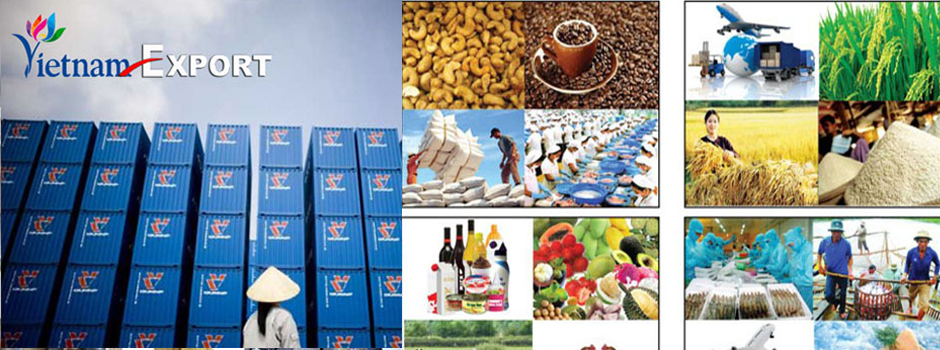
Vietnam’s rice exports plummet amidst Philippines market changes
In November 2025, Vietnam exported 320,000 tons of rice, earning $169.8 million, according to the Ministry of Agriculture and Environment. Over the first 11 months, rice exports totaled 7.5 million tons and $3.83 billion, marking an 11.5% decrease in volume and a significant 27.7% drop in value compared to the same period in 2024. These figures highlight the global rice market's stagnation, exacerbated by the Philippines' import restrictions—a country that has long been Vietnam's largest rice consumer.
Significant decline in rice exports
Throughout the first 11 months of 2025, the Philippines remained Vietnam's largest rice market, accounting for 39.8% of the market share. Ghana and Ivory Coast followed, with shares of 12.8% and 11.5%, respectively. However, the export value to the Philippines plummeted by 34.9%, contrasting with a 29.8% increase in Ghana and a substantial 79.8% rise in Ivory Coast.
Notably, among the top 15 markets, Bangladesh saw the highest increase in export value from Vietnam, surging 155.1 times, while Malaysia experienced the steepest decline, dropping 51.3% compared to the previous year.
The average export price of rice in the first 11 months of 2025 was only $512.1 per ton, an 18.3% decrease from the previous year. This significant drop reflects the global market's pressure amidst weak demand and increased competition among exporting countries.
According to the Vietnam Food Association (VFA), early December 2025 saw stable export rice prices, with 5% broken rice at $420–440 per ton and Jasmine rice at $447–451 per ton. The VFA forecasts a 11.5% decline in rice exports for 2025 compared to 2024, primarily due to the sharp downturn in the Philippine market.
The most significant impact on Vietnam's rice exports comes from the Philippines, which accounts for nearly 40% of Vietnam's rice exports. The country extended its temporary import suspension until December 31, following a 60-day ban from September 1, 2025, to support local farmers during the harvest season. This has led to a sharp decline in Vietnam's rice exports to the Philippines this year.
The Philippine Statistics Authority (PSA) noted that farmgate rice prices (palay) fell by 27.8% year-on-year, down to 17.11 pesos per kilogram, with some areas seeing prices as low as 8 pesos per kilogram.
Agriculture Secretary Francisco Tiu Laurel Jr. attributed this to excessive rice imports earlier in the year, totaling 3.5 million tons by the end of September, exceeding the annual target by 800,000 tons. Since liberalizing imports in 2019, the Philippines has been unable to impose quotas, allowing cheap rice to flood in and depress domestic rice prices. Consequently, the government had to implement the ban to stabilize rice prices.
However, the prolonged import ban has significantly reduced national reserves. Therefore, the Philippine government plans to reopen imports in January 2026, with an expected volume of around 300,000 tons, before pausing again from February to April 2026 to protect domestic rice prices.
Starting January 1, 2026, the Philippines will implement a flexible rice import tariff mechanism, adjusting tariffs by 5 percentage points for every 5% fluctuation in international rice prices, with a range from 15% to 35%.
In Vietnam, the Vietnam Food Association (VFA) believes that the reopening of the Philippine market in January 2026 could create short-term opportunities for Vietnamese rice. However, the new tariff rates, along with the limited one-month import window, will affect the competitiveness of Vietnamese businesses.
Amidst global rice price fluctuations, Thailand and India continue to compete fiercely, while year-end 2025 inventories and the start of the Winter-Spring harvest could pressure Vietnamese rice prices in the first quarter of 2026.
Vneconomy-Chu Khôi
Vietnam experiences steady growth in global supply chains-related employment
Vietnam has experienced steady growth in global supply chains (GSC) employment since 2008 and hosted the largest number of GSC-related jobs in South-East Asia in 2023, the Government News on December 9 quoted a report by the International Labor Organization (ILO) as reporting.
The report examines Vietnam's expanding role in global supply chains and identifies key policy actions to strengthen their resilience and inclusiveness, while promoting decent work and enabling just transitions for workers and enterprises amid rising global trade uncertainties.
Rising global trade uncertainties demand that Vietnam recalibrate its efforts to enhance the resilience and inclusiveness of GSCs, while promoting decent work and enabling just transitions for workers and enterprises to achieve its socio-economic aspirations, the report noted.
Vietnam accounted for more than 25 percent of the more than 75 million GSC-related jobs in South-East Asia, with over 35 percent of Vietnam's total employment linked to GSCs – reflecting a moderate level of reliance, according to the report.
Manufacturing accounted for 49 percent of all GSC-related employment in Vietnam, with textiles and textile products accounting for nearly a third of all GSC-related employment within the sector, it said.
Sectors with a high intensity of GSC-related employment tend to employ larger shares of female and young workers, with more formal wage employment compared to other sectors, but the proportion of high-skilled jobs remains low, the report remarked.
Over 76 percent of Vietnam's GSC-related jobs in 2023 relied directly or indirectly on foreign demand from ASEAN, China, the EU, Japan, Republic of Korea, and the U.S. – highlighting the country's exposure to external demand fluctuations, it added.
To ensure decent work outcomes in GSCs, coordinated efforts are needed across several policy areas to mitigate short-term disruptions and shape Vietnam's medium and long-term positioning, the report suggested.
These include trade diversification and stronger domestic industrial linkages, inclusive, demand-driven skills development, gender-responsive labor market policies and shock-responsive social protection systems for just transitions, improved job quality and raising labor standards, and inclusive social dialogue and institutional coordination.
Strengthening the resilience of GSCs and taking advantage of new growth areas presents a strategic opportunity to further advance Vietnam's structural transformation, enabling shifts towards higher value-added activities and higher-skilled employment, thereby reinforcing progress on the decent work agenda.
VGP-Pham Long
HCM City approves Vinspeed as investor of Ben Thanh-Can Gio railway
The People’s Committee of Ho Chi Minh City has approved VinSpeed, a subsidiary of conglomerate Vingroup, as the investor of the Ben Thanh–Can Gio railway project, with a total investment capital of approximately VND102.43 trillion (nearly $3.9 billion).
The projected 54-km railway will has a designed speed of 350 kph, and a load of 17 tons per axle.
It consists of two stations in Phase 1 (Ben Thanh Station and Can Gio Station) and four stations in Phase 2 (to be built when needed, including Tan Thuan, Tan My, Nha Be, and Binh Khanh Stations). It also features one depot and one operations control center located in Can Gio commune.
The project requires a total land area of about 328ha.
Construction of the project is scheduled to start on December 19.
VnEconomy-Phạm Hồng Vinh
Petrovietnam’s STEM vision: Empowering the next generation
The STEM Innovation Petrovietnam program, launched by the Vietnam Oil and Gas Group (Petrovietnam), goes far beyond equipping schools with modern facilities. It is being positioned as an investment in Vietnam’s “knowledge infrastructure,” supporting the development of a science- and technology-skilled workforce and nurturing a new generation of energy-literate citizens.
At the seminar “STEM Innovation Petrovietnam - Realizing the Spirit of Resolution No. 57,” held on the morning of December 7 by New Energy Magazine, National Assembly deputies, experts, and educators examined the strategic value of the initiative.
Overview of the seminar.From policy to a gift for the next generation
Vietnam is pursuing major breakthroughs in science and technology under Resolution No. 57-NQ/TW and driving fundamental reforms in education and training under Resolution No. 71-NQ/TW. In this context, STEM education is becoming a crucial bridge linking knowledge, technology, innovation, and cooperation between schools, businesses, and society.
Inspired by the vision of General Secretary To Lam, Petrovietnam launched the “STEM Innovation Petrovietnam” program during the Group’s 50th anniversary celebration in September 2025. The initiative aims to build 100 internationally standardized STEM laboratories across 34 provinces and cities, making it the largest education project ever initiated by a Vietnamese enterprise. Its goal: contributing to a future science and technology workforce and cultivating a generation of citizens equipped to engage with the energy sector.
As the program’s first phase is rolled out in coordination with the Ministry of Education and Training, STEM specialists, local administrations, and participating schools, all 100 laboratories have now been surveyed and are being installed.
Students explore creativity inside the STEM room at Cau Giay Secondary School.What distinguishes this program is not the hardware, but the philosophy behind it. Petrovietnam aims to build an entire “STEM ecosystem”: international-standard equipment, teacher training under a Master Trainer model, global linkages, and opportunities for students to access international innovation platforms. The ambition is to expand to 10,000 schools by 2035-2045.
This is why the program is named STEM Innovation Petrovietnam, rather than simply “STEM rooms.” It is being framed as a national-level educational gift with long-term significance.
Why STEM - and why innovation
Explaining the rationale behind the program, STEM expert Do Hoang Son recalled that Vietnam formally introduced STEM education into the national curriculum in 2018, an important milestone in the country’s education reform. Under the curriculum, STEM is defined by three characteristics: integration across science, technology, engineering, and mathematics; learning through hands-on experience; and strong relevance to real-world contexts.
He also detailed how the name and concept of the 100-lab system was formed. During consultations with Hanoi-Amsterdam High School for the Gifted - the first school to receive a STEM room presented by General Secretary To Lam - the working group sought to create a space whose purpose and educational value were immediately clear and could generate long-term impact.
STEM education helps narrow regional gaps. Pictured: the STEM room at Le Quy Don High School, Tuyen Quang Province.The chosen name reflects Petrovietnam’s commitment to implementing national resolutions on science, technology, and education, while demonstrating the Group’s sense of social responsibility. Echoing this view, National Assembly Deputy Ha Anh Phuong described the initiative as “highly meaningful” and urged its expansion.
“As a teacher who once worked in mountainous areas, I saw firsthand how few opportunities students had to access modern laboratories,” she said. “The STEM Innovation Petrovietnam program helps narrow regional disparities. It shows Petrovietnam’s long-term vision in developing human resources.”
From classrooms to global stages
Among the seminar’s highlights was a set of concrete examples showing how the program is shifting classroom culture, most notably at Cau Giay Secondary School in Hanoi.
Teacher Nguyen Thi Nhan described the program as a “turning point” for both teachers and students, noting that the new laboratory has encouraged teachers to move beyond traditional lectures and explore more innovative methods. Students, meanwhile, have gained access to robotics and artificial intelligence (AI) tools, enabling them to build robots and compete at regional and international events.
The school has since fostered a vibrant robotics culture with multiple teams preparing for competitions. Students now follow competition-standard processes, maintain technical handbooks, and develop skills nurtured only in high-quality, hands-on environments.
Deputy Ha Anh Phuong, who mentors students on STEM projects, emphasized that STEM education is foundational to building a future workforce capable of participating in the digital economy. “Students do not just learn individual subjects. They apply interdisciplinary knowledge to solve problems and create tangible solutions,” she said.
Students demonstrate creativity and commitment in STEM activities.Beyond sponsorship: building an ecosystem
Experts at the seminar highlighted the growing role of businesses in national education policy, especially as Vietnam accelerates digital transformation. According to expert Do Hoang Son, STEM education currently operates on three levels: mass integration in the curriculum; advanced and vocational-oriented clubs; and high-level “innovation” pathways where students engage in major national and international competitions.
The STEM Innovation Petrovietnam model supports all three levels, he noted. Deputy Ha Anh Phuong added that STEM education is also essential for narrowing regional gaps by giving disadvantaged students equal access to future jobs.
To ensure quality, speakers stressed the need for mechanisms to encourage long-term business participation, transparent public-private partnerships, and a strong focus on teacher capability, particularly through the Master Trainer approach.
Reaching for global standards
Reflecting on implementation at Cau Giay Secondary School, teacher Nguyen Thi Nhan said the program has given the school a clear roadmap and measurable results. She highlighted three essential factors: strategic direction from school leadership; a motivated, well-trained teaching staff; and enthusiastic, creative students.
With access to an international-standard lab, students have shed earlier limitations and are now able to learn, collaborate, and compete according to global benchmarks.
Deputy Ha Anh Phuong noted that through STEM-based learning, both teachers and students learn to follow international research processes, academic standards, and teamwork norms - essential for competitions such as NASA events, ISEF, and FIRST Robotics. This, she said, contributes to raising the profile of Vietnamese education on the world stage.
Ultimately, the significance of STEM Innovation Petrovietnam lies not in ceremonies or numerical targets, but in its connective role: linking national resolutions with practical action; bridging schools and businesses; reducing gaps between urban and disadvantaged regions; and opening pathways from classroom learning to global innovation arenas.
-
To look back on Vietnam’s five-year journey of resilient growth
The 2021-2025 period is now drawing to a close, leaving behind a term marked by unprecedented challenges. Amid this harsh landscape, under the decisive leadership of the Party Central Committee and the government, ministries and localities implemented bold and flexible measures, turning crises into opportunities. The economy steadily progressed month-after-month and quarter-after-quarter, laying a stronger macro-economic foundation, maintaining growth and controlling inflation.
Rising through challenges
At the recent “Vietnam Socio-Economy 2021-2025: Resilience and Breakthrough” seminar, experts agreed that despite facing global shocks and domestic hurdles from 2021 to 2025, Vietnam demonstrated remarkable resilience and a capacity for breakthroughs.
Ms. Ramla Khalidi, United Nations Development Programme (UNDP) Resident Representative in Vietnam, highlighted the country’s achievements in economic growth and human development. “The country has turned crises into opportunities, maintaining strong economic growth above 7 per cent and steadily improving its Human Development Index,” she said, while also praising Vietnam’s strong leadership and strategic vision that enabled the government to implement policies effectively, adapt to climate risks, and prepare for a new era focused on innovation, green growth, and inclusivity.
Echoing this, Dr. Phan Duc Hieu, Standing Member of the National Assembly’s Economic and Financial Committee, emphasized the economy’s resilience. “Vietnam’s growth has been sustainable because domestic capacity in the economy has strengthened significantly,” he believes. GDP growth is projected to average 6.3 per cent over the period, despite the unprecedented obstacles. The economy’s scale has also expanded, trade and foreign reserves have improved, and key macro-economic indicators remain well controlled.
Dr. Hieu cited several major shocks Vietnam has successfully navigated: the Covid-19 pandemic, reshoring trends affecting foreign investment, and US trade policies under the Trump administration. “In each case, Vietnam responded decisively,” he noted, pointing to social support programs, foreign investment inflows, and continued trade growth as evidence of the country’s ability to adapt.
Meanwhile, Professor Vu Minh Khuong, Practice Professor at the Lee Kuan Yew School of Public Policy at the National University of Singapore, described the 2020-2025 period as extraordinary. He highlighted three qualities driving Vietnam’s progress: courage, decisiveness, and selflessness. “These traits, combined with strong macro-economic fundamentals, have fostered a sense of aspiration and momentum, preparing Vietnam for a respected role on the international stage over the next two decades.”
He also noted the rapid advancement of digital technology, the emergence of skilled talent, and the growth of industries like plastics, which are increasingly integrated into global markets. “Vietnam has adapted well to the AI era, and economic growth has been accompanied by care for workers, especially women,” he added.
In addition to its economic achievements and notable social progress, Vietnam has also made strong headway on the United Nations Sustainable Development Goals (SDGs).
Ms. Khalidi highlighted the country’s poverty reduction as a key milestone, falling from 9 per cent to 4 per cent between 2016 and 2022. Health insurance now covers 94 per cent of the population, and school enrollments from pre-school through high school continues to rise. “These social indicators reflect Vietnam’s tangible progress on the SDGs,” Ms. Khalidi said. “The country has built a solid foundation and now needs to accelerate the digital shift to sustain and expand these achievements.”
Challenges remain, however. Inequality persists between urban and rural communities, between ethnic minorities and the majority Kinh population, and between men and women. Gaps in digital access also risk leaving some groups behind, limiting their ability to participate equally in Vietnam’s development. Regarding gender equality, Ms. Khalidi noted a concerning decline in female leadership at the provincial level, highlighting the importance of maintaining hard-won gains.
Environmental issues also demand attention. “Climate change alone costs Vietnam billions of dollars each year,” she emphasized, calling for both mitigation and strong investment in adaptation.
Looking ahead, she outlined three priorities: promoting innovation and green transformation to drive sustainable growth; investing in human capital to address inequalities and ensure inclusive development; and continuing institutional and administrative reforms to enhance coordination across sectors and build supportive alliances. Vietnam, Ms. Khalidi added, is well-positioned to maintain its SDG trajectory, turning social progress into lasting, inclusive development.
Turning lessons into future momentum
The past five years have tested Vietnam’s resilience, revealing lessons that will shape its path forward.
Dr. Hieu highlighted three strategic lessons. First, new challenges emerge as growth targets rise, requiring constant adaptation. Second, the quality and sustainability of growth are as important as scale. And third, maintaining reform momentum is critical, not only acting decisively today but ensuring the drive continues tomorrow.
He pointed to the government’s proactive approach to crises as a key lesson. During Covid-19, the National Assembly and government quickly enacted special resolutions, shifting strategies from purely pandemic control to a dual focus on public health and economic growth. Legislative agility was also evident: laws and policies were fast-tracked, including unprecedented moves to institutionalize Politburo Resolution No. 68, on promoting the private sector, in just 12 days. He also stressed the importance of citizen engagement: people should not only benefit from policies but actively participate in their design and implementation.
Dr. Khuong added an international perspective. Vietnam has turned external shocks into opportunities, exemplified by the swift negotiations with the US during tariff disputes. He emphasized two lessons for future development: shifting from mere growth to strategic evolution, which combines scale with foresight and systemic integration, and focusing on systemic vulnerabilities, addressing critical pressure points to create breakthroughs.
He also highlighted the importance of holistic, synergistic development: aligning resources, investment, and incentives across sectors and regions to achieve “1 plus 1 equals 11”. Strategic investment in global cities like Hanoi, Ho Chi Minh City, and Da Nang, paired with enhanced State capacity and human capital, will be pivotal for Vietnam’s next stage of growth.
Meanwhile, Ms. Khalidi underscored governance and sustainability as central to achieving Vietnam’s long-term ambitions, including net-zero emissions and double-digit economic growth by 2050. Success depends on strong strategic planning, intersectoral coordination, innovation-friendly policies, and evidence-based decision-making. Future crises, particularly climate-related, are inevitable, and adaptation strategies must be dynamic, data-driven, and inclusive.
She also emphasized that citizens must remain partners, not just beneficiaries, in development. Listening to people’s needs, perspectives, and experiences is critical to building an inclusive, sustainable path forward.
Catalyst for inclusive development
Vietnam’s leaders have set their sights on a bold goal: sustaining double-digit growth over consecutive years. Yet experts emphasize that growth alone is not enough; it must be sustainable, inclusive, and rooted in strong institutions.
Dr. Khuong noted that, internationally, economic expansion is always the product of structural reforms. Ambitious targets could propel Vietnam rapidly towards global benchmarks like Singapore or South Korea, but achieving 10-12 per cent growth depends on international conditions and must rest on a solid foundation rather than chasing short-term gains at the expense of institutional stability.
Ms. Khalidi added that the question is less about hitting double-digit growth and more about ensuring all communities benefit from development. She stressed the importance of implementing Vietnam’s policy and strategic frameworks with flexibility, adaptability, and innovation.
For his part, Dr. Bui Sy Loi, former Vice Chairman of the National Assembly’s Social Affairs Committee, underscored that rapid growth must be supported by a strong social foundation, reflecting the principle of “the Party’s direction, the people’s support.” Inclusive development should be human-centered, guaranteeing fairness and progress across all policies. In this new era, green, innovative, and humanistic growth, supported by skilled workers and digital capacity, will determine Vietnam’s economic resilience.
Experts agree that opportunities lie within challenges. Institutional reform, carefully designed and internationally informed, is critical. Vietnam must move beyond raw export volumes to generate higher value-added products and deepen strategic partnerships with key global markets. At the same time, developing human capital and fostering creativity will allow cities like Hanoi, Ho Chi Minh City, and Da Nang to become hubs for global talent and innovation. Together, these elements create a foundation not just for high growth but for a Vietnam that is sustainable, inclusive, and prepared to lead in the decades ahead.
VET-Linh Tong
Hue approves investment policy for a $156-mln urban area project
The People's Committee of Hue City in central Vietnam has approved the investment policy for the Northern Urban Area Project No. 1.
The project aims to construct a modern urban area with synchronized technical and social infrastructure, integrated with public institutions, commercial centers, and services, while meeting the housing and accommodation needs of both residents and tourists.
The total investment capital for the project is estimated at more than VND4,110 billion (over $156 million), excluding land use fees and land rental fees.
According to the plan, the maximum construction area is approximately 9.9 ha. Of this, about 7.5 ha are dedicated to housing, while the remaining 2.4 ha are allocated for service and educational facilities.
The total construction floor area is approximately 52.4 ha, comprising 38.5 ha of residential floor area and 13.9 ha for commercial, service, and educational purposes.
The project will develop two main types of housing: commercial townhouses and social housing apartments. The expected housing inventory includes 725 townhouses and 515 apartment units, capable of accommodating a population of approximately 3,470 people.
Vneconomy-Nguyễn Thuấn
Vietnam, China pilot two-way cargo transport at int’l border gate pair
A two-way freight transport system via dedicated roads and customs clearance routes of the international border gate pair of Huu Nghi (Vietnam) – Youyi Guan (China) will be piloted from December 10, the Vietnam News Agency quoted the Management Board of Dong Dang – Lang Son Border Gate Economic Zone in Lang Son province as reporting.
Vehicles transporting exports to the opposite country will return with imports after completing delivery.
The pilot will run until December 9, 2026.
The international border gate pair includes dedicated roads for transporting goods in the areas of border markers 1119 – 1120 (Huu Nghi – Youyi Guan), and 1088/2–1089 (Tan Thanh – Puzhai), and customs clearance routes along the markers 1104 – 1105 (Coc Nam - Nonghuai).
The pilot is expected to make it easier for managing vehicle flows, simplifying document checks, thus reducing transport costs, and enhancing customs clearance capacity.
Two-way cargo vehicles may stop at the designated yard in the opposite country for no more than 36 hours after delivery, while other cargo vehicles must return their home country within 24 hours of completing delivery.
The management board said each vehicle must carry goods from a single company. Agricultural products are limited to one type per vehicle, while electronics and other goods must use standard containers or compliant vehicles. Mixed-cargo vehicles will not use the two-way transport system during the pilot.
VNA-Khanh Van
Hue approves investment policy for $156 mln for urban area project
The People's Committee of Hue City in central Vietnam has approved the investment policy for the Northern Urban Area Project No. 1.
The project aims to construct a modern urban area with synchronized technical and social infrastructure, integrated with public institutions, commercial centers, and services, while meeting the housing and accommodation needs of both residents and tourists.
The total investment capital for the project is estimated at more than VND4,110 billion (over $156 million), excluding land use fees and land rental fees.
According to the plan, the maximum construction area is approximately 9.9 ha. Of this, about 7.5 ha are dedicated to housing, while the remaining 2.4 ha are allocated for service and educational facilities.
The total construction floor area is approximately 52.4 ha, comprising 38.5 ha of residential floor area and 13.9 ha for commercial, service, and educational purposes.
The project will develop two main types of housing: commercial townhouses and social housing apartments. The expected housing inventory includes 725 townhouses and 515 apartment units, capable of accommodating a population of approximately 3,470 people.
Vneconomy-Nguyễn Thuấn
Vietnam-Israel trade expected to hit $3.75 bln in 2025
The two-way trade between Vietnam and Israel in 2025 is estimated to reach over $3.75 billion, heard a conference held last week to discuss prospects from the Free Trade Agreement between the two countries.
Of the total, Vietnam’s exports to Israel are projected to reach $850-880 million, up 10% year-on-year.
After more than a year of implementation, the Vietnam - Israel Free Trade Agreement (VIFTA) has shown positive signs, becoming a new driving force to promote trade, investment and technological cooperation between the two countries, according to participants at the workshop.
Ms. Nguyen Thi Lan Phuong from the Department of Multilateral Trade Policy (Ministry of Industry and Trade) said that VIFTA has a remarkable level of commitment, especially in the field of trade in goods. As soon as the Agreement came into effect, Israel has eliminated 66.3% of tariff lines for Vietnamese goods; by the end of the roadmap, this rate reached 92.7%. Meanwhile, Vietnam has eliminated about 85.7% of tariff lines.
These commitments create conditions for Vietnamese products with strengths such as footwear, textiles, electronics, machinery, and agricultural products to enter the Israeli market more easily.
Ms. Do Thi Thuy Huong, Vice President of the Viet Nam Association of Supporting Industries, said that VIFTA has opened up huge opportunities in terms of exports, technology access and supply chain connections. Israel is a world-leading country in high technology, especially in semiconductors, medical equipment, cyber security and IoT.
Vietnam’s Commercial Counselor in Israel Le Thai Hoa said that the Viet Nam Trade Office in Israel will continue to disseminate the contents of the VIFTA Agreement to local businesses; connect Israeli importers with Vietnamese businesses; provide market information, technical standards, import policies; organize seminars, business delegations, specialized trade promotion events; support businesses in evaluating partners and implementing investment projects.
VnEconomy-Song Hà